
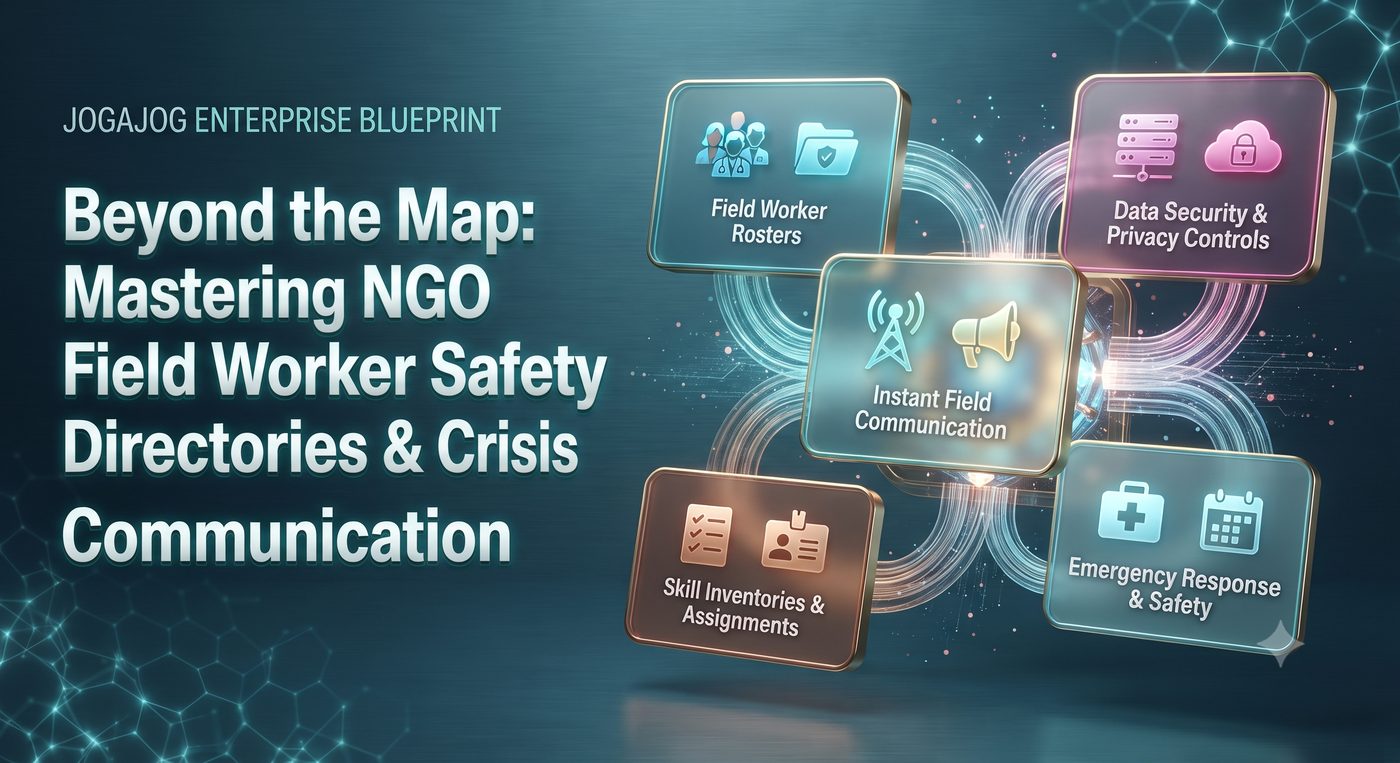
In the challenging and often high-risk environments where non-governmental organizations (NGOs), aid agencies, and humanitarian groups operate—from remote rural villages to disaster zones—ensuring the safety and effective coordination of distributed field personnel is paramount. From managing secure, real-time rosters of aid workers and coordinating nationwide volunteer networks during a crisis to broadcasting urgent security alerts and providing offline access to critical safety guidelines, today’s non-profit operations require a communication infrastructure that is instantaneous, reliable, and, above all, secure.
The Challenge
How can NGO program managers, security directors, and HR coordinators effectively synchronize their entire field workforce—across diverse geographic regions, shifting operational bases, and volatile security situations—to ensure immediate availability of verified contact directories, strict data privacy protocols, and uncompromised emergency response coordination?
The Problem with Traditional NGO Communication
Non-governmental organizations frequently face severe operational friction and critical safety risks due to outdated or unmanaged communication methods:
* Fragmented and Unsafe Field Communication: Relying on disconnected messaging apps, consumer chat groups, or unencrypted personal phones for coordinating aid workers creates critical information silos and severe security vulnerabilities.
* Outdated and Inaccessible Roster Directories: Utilizing static spreadsheets or printed directories makes it impossible to locate personnel, verify their status, or update contact information rapidly across the entire organization in real-time.
* Communication Gaps During Crises: A lack of secure, centralized command prevents NGOs from broadcasting urgent security alerts, tracking “safe/at-risk” check-ins, or coordinating rescue efforts efficiently during fast-moving humanitarian emergencies.
The Solution: Centralized, Secure NGO Command Centers
Transitioning to a private, enterprise-grade communication platform—like Jogajog—creates a secure “digital nerve center” for NGO field worker safety directory management and crisis communication. By digitizing directory systems and implementing robust access controls, non-profits ensure:
* Private and Searchable Field Worker Directories: Building comprehensive digital directories categorized by skill (e.g., Medical, Logistics, WASH), language capability, current deployment location, and security clearance level, allowing coordinators to deploy the right teams instantly.
* Secure and Direct Crisis Communication: Providing a unified, encrypted communication environment where field officers, HQ security, and remote volunteers can discuss sensitive operational details, share verified safety updates, and coordinate logistics safely, ensuring all communication remains within the secure NGO ecosystem.
* Agility in Field Operations: Streamlining network communication allows NGOs to broadcast urgent security bulletins, distribute always-updated safety protocols directly to field phones, and conduct instant welfare check-ins across the entire field team with guaranteed delivery receipts.
Frequently Asked Questions
Q: Can this platform be used to manage secure NGO field worker directories and coordinate volunteers during a crisis response?
A: Yes. The platform provides secure, role-based directory access, private group management, and encrypted messaging features, enabling non-profit organizations to build centralized, searchable, and privacy-compliant networks for all their staff and volunteers.
Q: Does this replace existing GIS mapping software, HR databases, or Field Security platforms?
A: No. It acts as the essential human-to-human and team-to-team communication layer that complements your existing operational software, ensuring your field workers, medical teams, and logistics coordinators remain aligned on daily operational execution, safety status, and emergency communication.