
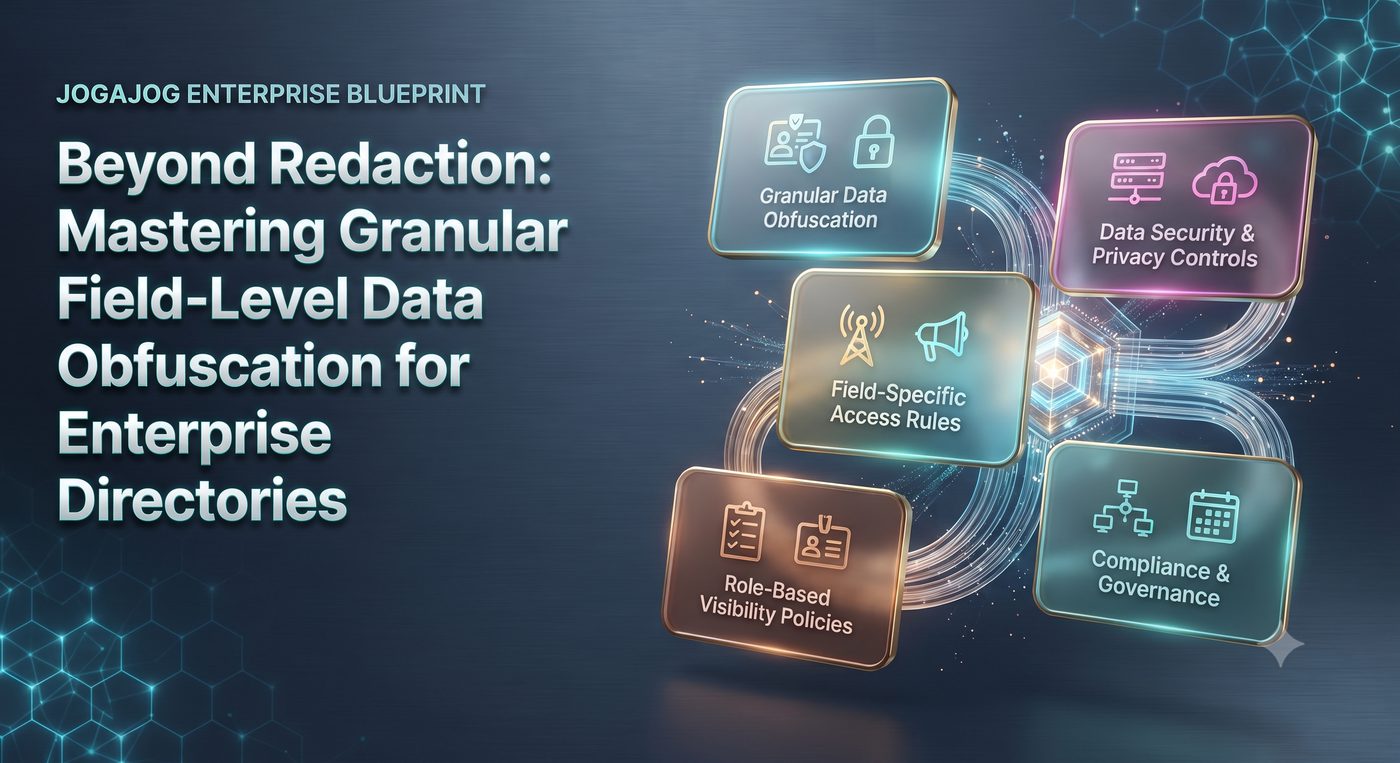
In the data-driven and compliance-heavy environment of modern enterprises, large-scale associations, and multi-tiered organizations, member directories and internal contact lists are critical assets. However, protecting sensitive personal identifiable information (PII)—such as private email addresses, mobile phone numbers, home addresses, or national IDs—from unauthorized access is not just a best practice; it is a regulatory mandate (e.g., GDPR, HIPAA, CCPA). Relying on basic access control or flat directory visibility creates severe security risks. Modern organizations require a sophisticated data protection architecture that operates at the most granular level.
The Challenge
How can enterprise system administrators, security directors, and privacy officers effectively manage comprehensive member directories while ensuring that specific, sensitive data fields remain completely hidden, encrypted, or masked for most users, while remaining visible only to authorized personnel on a strict need-to-know basis?
The Problem with Traditional Data Security
Legacy directory systems and unmanaged database access frequently introduce critical security vulnerabilities and operational friction:
* “All-or-Nothing” Visibility: Standard directory tools expose full user profiles to anyone with basic read access. If a user can see a directory entry, they can typically see every field within it, leading to massive PII exposure and data scraping risks.
* Compliance and Audit Nightmares: Failing to enforce strict field-level privacy controls exposes organizations to severe regulatory penalties, potential data breaches, and a catastrophic loss of member trust.
* Operational Inflexibility: Inability to selectively share data (e.g., allowing the HR team to see a home address while preventing department heads from seeing it) forces organizations into a compromise between security and necessary internal collaboration.
The Solution: Centralized Granular Field-Level Obfuscation
Transitioning to an advanced, enterprise-grade communication platform—like Jogajog—integrates robust, granular field-level data obfuscation directly into your directory ecosystem. By leveraging sophisticated role-based permission controls and data masking technology, organizations ensure:
* Field-Specific Privacy Masking: Configuring dynamic directory rules so that specific data points (e.g., Phone, Email, Address) are automatically obfuscated (e.g., ***-***-4567, u******@example.com) for general users, while remaining perfectly visible to authorized roles (e.g., Administrators, Security Leads).
* Role-Based Obfuscation Rules: Implementing granular policies where visibility changes based on the viewer’s role. The Finance team may see different contact fields than the Operations team, ensuring everyone has access to the data they need without over-exposure.
* End-to-End Data Governance: Providing full administrative authority to define, audit, and enforce data masking policies across the entire enterprise network, ensuring compliance with evolving privacy laws without hindering daily communication.
Frequently Asked Questions
Q: Can granular obfuscation be customized for different member tiers or departments?
A: Yes. Administrators can configure precise masking rules for each data field (e.g., Email, Phone, Address, Role-Specific ID) based on the viewer’s assigned role, department, or security clearance within the organizational hierarchy.
Q: Does field-level obfuscation prevent users from contacting each other within the platform?
A: No. Secure, encrypted internal messaging and broadcast channels allow seamless, high-speed communication across the network even when sensitive contact fields (like direct phone numbers) are completely hidden or masked from general view.