
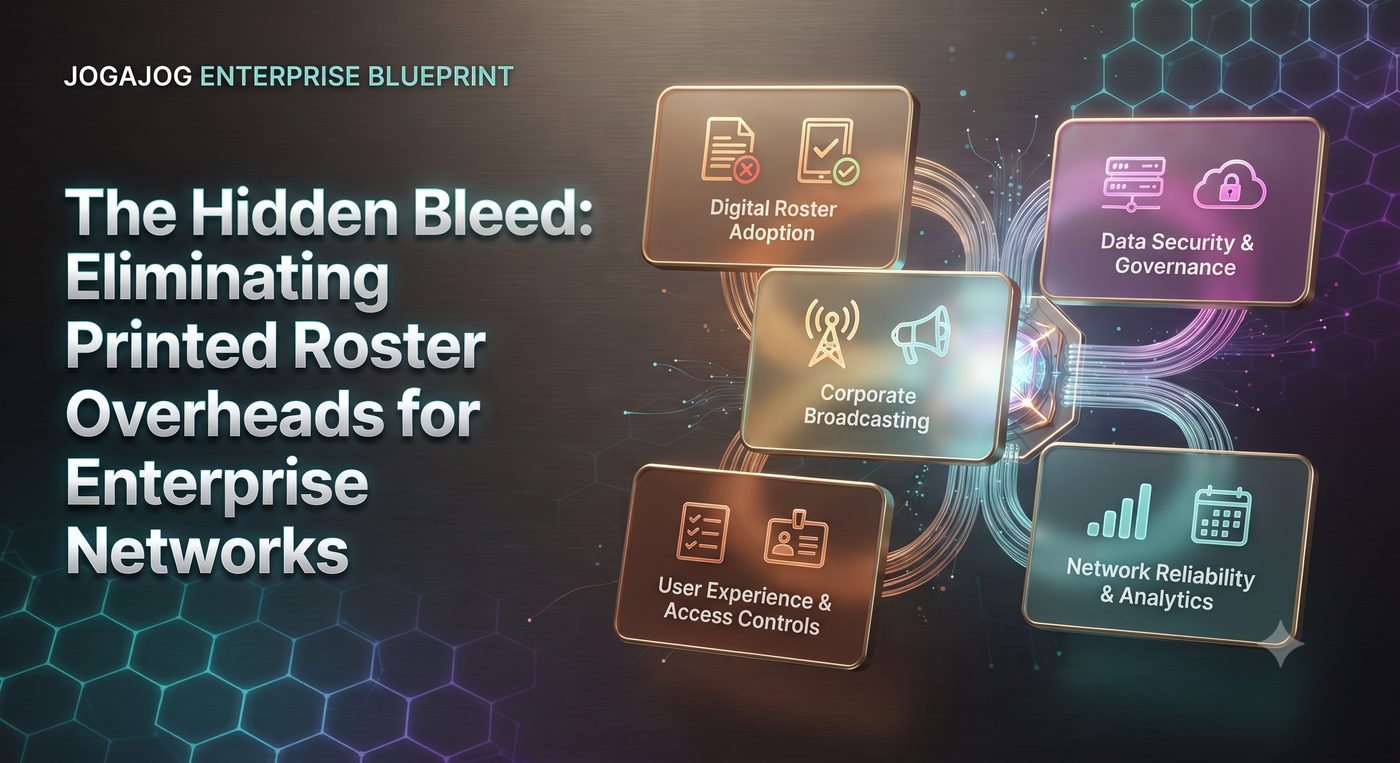
In the modern, digitized enterprise, professional association, or large-scale institution, communication and collaboration are the lifeblood of daily operations. Yet, despite the prevalence of smartphones, intranets, and secure messaging platforms, many organizations still cling to a costly, archaic practice: the printed directory. From thick, bound employee handbooks to departmental phone lists and organizational charts taped to cubicle walls, the cost of disorganization—specifically, the massive overheads associated with printing and distributing rosters—is a silent profit killer. Beyond the tangible expenses, relying on static paper documents creates catastrophic operational inefficiencies and security vulnerabilities.
The Challenge
How can enterprise IT directors, operations managers, and financial controllers eliminate the recurring, spiraling costs of printing and updating physical rosters while simultaneously improving the accuracy, accessibility, and security of organizational contact information?
The Problem with Printed Rosters
Relying on printed directories introduces severe operational friction and critical communication failures:
* Exorbitant Financial Burdens: The hard costs are staggering. They include paper, toner, professional printing services, binding, and the significant labor hours required for formatting, collating, and distributing hundreds or thousands of physical copies across departments and remote offices.
* Instant Obsolescence: In a dynamic enterprise, personnel change constantly. New hires join, employees switch roles, and contact information is updated daily. A printed roster is outdated the moment it leaves the printer. This leads to widespread confusion, misdirected calls, and total communication breakdowns during emergencies.
* Security and Compliance Nightmares: Printed rosters are uncontrolled documents. They are frequently lost, left in public spaces, or taken home by departing employees. This exposes sensitive personally identifiable information (PII) to unauthorized access, violating data privacy regulations (GDPR, HIPAA, SOX) and creating massive corporate security risks.
The Solution: Dynamic Digital Roster Architecture
Transitioning to a centralized, secure enterprise communication platform—like Jogajog—replaces the recurring costs and risks of paper with an agile, digital-first ecosystem. By eliminating printed roster overheads, organizations ensure:
* Zero Marginal Distribution Costs: Move your entire directory to a secure mobile app and desktop platform. New employees are provisioned instantly, and updates are pushed in real-time across the entire network at zero cost.
* Real-Time Accuracy and Accessibility: Replace static spreadsheets and paper lists with a dynamic, searchable directory that is always up-to-date. Employees can find colleagues by name, department, skill set, or location instantly, from anywhere, on any device.
* Enhanced Security and Compliance: Digital rosters are secured by end-to-end encryption, role-based access controls (RBAC), and centralized governance. If an employee leaves, access is revoked instantly, ensuring PII protection and regulatory compliance.
Frequently Asked Questions
Q: How much can an organization realistically save by eliminating printed rosters?
A: Savings vary by size, but costs go far beyond paper. Consider the internal labor hours spent updating, printing, and distributing. A move to digital eliminates these costs entirely, often resulting in five-figure savings annually for mid-to-large organizations.
Q: Do employees still prefer a physical directory for quick reference?
A: Modern digital directories are designed for superior speed and usability. Features like advanced search, “click-to-call” integration, and real-time status updates provide a far better user experience than any printed list. Resistance to change is quickly overcome once employees experience the efficiency of a dynamic digital solution.