
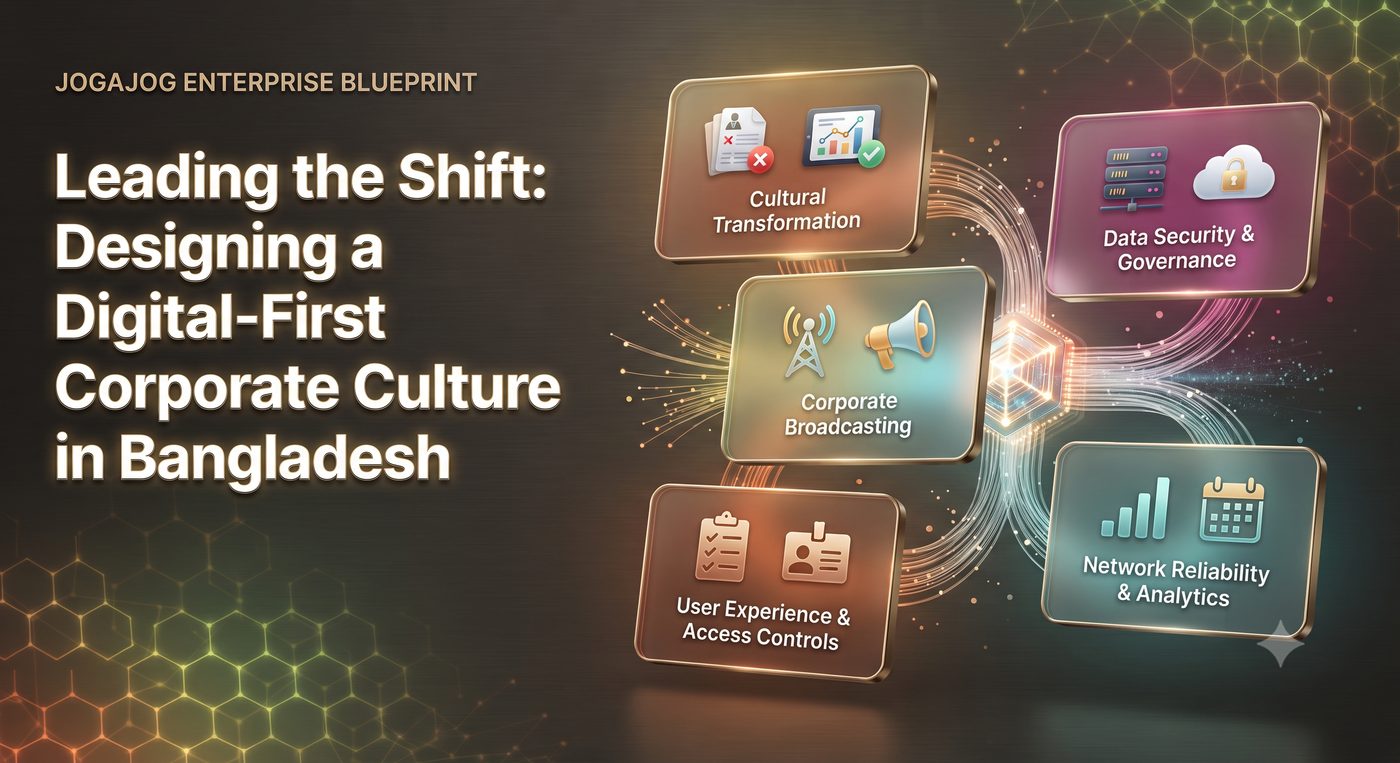
As Bangladesh rapidly establishes itself as a vibrant digital powerhouse in South Asia, businesses across Dhaka, Chattogram, Sylhet, and beyond are experiencing a profound economic transformation. From ambitious tech startups to legacy manufacturing conglomerates, financial institutions, and multinational corporations, the race to modernize is accelerating. However, true digital transformation goes far beyond purchasing new software or migrating servers to the cloud; it requires a fundamental evolution in mindset. Designing a digital-first corporate culture in Bangladesh means breaking down traditional hierarchical silos, replacing paper-heavy bureaucracy with agile workflows, and empowering a dynamic workforce with modern, mobile-first tools.
The Challenge
How can forward-thinking enterprise leaders, HR directors, and operations managers in Bangladesh cultivate a resilient, digital-first corporate culture that bridges traditional management styles with modern, agile operational standards?
The Barrier of Legacy Mindsets and Analog Workflows
Building a modern corporate culture in Bangladesh often encounters deeply ingrained operational obstacles:
* The Weight of Hierarchical Bureaucracy: Traditional management models often rely on rigid chains of command, lengthy approval chains, and manual paperwork, which slow down decision-making and stifle grassroots innovation.
* Communication Fragmentation: Relying on unorganized phone trees, scattered messaging apps, and physical notice boards creates information bottlenecks, leaving remote field teams, factory workers, and corporate staff disconnected.
* Resistance to Technological Change: Employees accustomed to manual spreadsheets and physical rosters can feel intimidated by complex digital tools, requiring intentional cultural nurturing rather than forced software mandates.
The Solution: Cultivating Engagement with Centralized Platforms
Transitioning to a modern, digital-first culture requires an intuitive technological foundation that aligns with daily operations—like Jogajog. By integrating core communication and directory infrastructure, Bangladeshi enterprises ensure:
* Democratized and Instantaneous Communication: Replace sluggish bureaucratic channels with secure, real-time corporate broadcasting and direct messaging. Leadership can share company-wide updates, milestones, and strategic visions instantly with every tier of the organization.
* Empowered Frontline and Mobile Workforces: Provide staff across all locations with a centralized, lightning-fast digital directory, eliminating search friction and ensuring that every employee—from corporate analysts to field operators—feels connected to the core enterprise.
* Transparent Collaboration and Accountability: Cultivate a culture of trust and high performance through structured feedback loops, read-receipt verification for critical notices, and secure role-based access that safeguards sensitive company data.
Frequently Asked Questions
Q: How can leadership successfully overcome employee resistance when shifting to a digital-first workflow in Bangladesh?
A: Success begins by introducing tools that solve immediate, everyday pain points—such as finding a colleague’s phone number instantly or receiving shift announcements without digging through emails. When digital tools genuinely make daily work easier, employee adoption happens naturally.
Q: Is a digital-first corporate culture suitable for traditional industrial and manufacturing sectors in Bangladesh?
A: Absolutely. Industrial enterprises benefit immensely by connecting floor supervisors and factory workers directly with management through secure mobile apps, streamlining safety broadcasts, shift handovers, and operational feedback loops.