
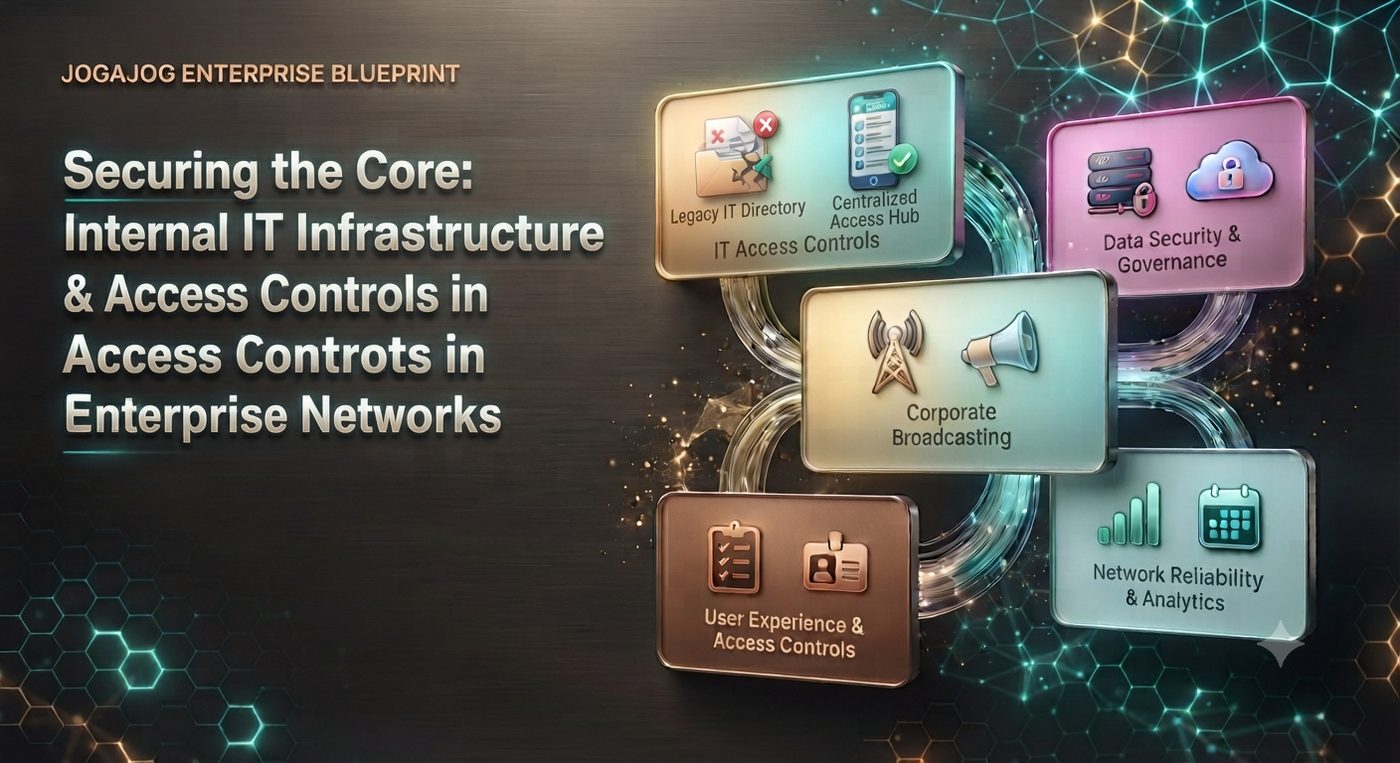
In the modern enterprise, professional association, and multi-tiered institution, the integrity of internal operations depends entirely on secure, well-managed IT infrastructure and strict access controls. As organizations expand their digital footprint across multiple locations—such as coordinating tech operations between Dhaka, Chittagong, and remote hubs—managing who has access to sensitive network resources becomes a high-stakes challenge. When IT departments rely on legacy directory tools, scattered permission spreadsheets, and unmonitored credential sharing, it introduces severe vulnerabilities, security breaches, and operational downtime. The definitive key to fortifying internal operations is implementing centralized IT infrastructure management paired with granular access controls within a secure enterprise network.
The Challenge
How can enterprise CIOs, IT directors, and security managers design and deploy a centralized, highly secure access control framework that regulates internal network permissions, protects sensitive IT infrastructure, and streamlines user provisioning without creating administrative bottlenecks?
The Problem with Fragmented IT Access and Legacy Directories
Managing internal infrastructure with outdated or uncoordinated tools creates critical operational vulnerabilities:
* The Credential and Permission Void: When employee permissions are managed across scattered spreadsheets or disjointed local servers, offboarded staff or unauthorized personnel frequently retain access to sensitive core systems.
* Administrative Friction and Slow Provisioning: Onboarding new technical staff or adjusting departmental access levels requires tedious manual interventions, delaying productivity and frustrating department heads.
* Compliance and Security Audit Failures: Lack of a centralized audit trail makes it nearly impossible to track who accessed specific IT infrastructure assets, leading to severe regulatory and security compliance failures.
The Solution: Centralized Directory Architecture and Role-Based Access Controls
Transitioning to an advanced, enterprise-grade communication and directory platform—like Jogajog—replaces IT infrastructure chaos with a secure, governed access ecosystem. By centralizing network management, institutions ensure:
* Granular Role-Based Access Controls (RBAC): Ensure that every user within the organization—from frontline operators to executive leadership—only accesses the specific directory data, communication channels, and IT resources authorized for their exact role.
* Automated Provisioning and Real-Time Sync: Seamlessly sync internal IT user directories with core administrative systems, enabling instant onboarding and automatic permission revocation when employees change roles or exit the organization.
* Comprehensive Audit Trails and Monitoring: Maintain complete visibility over network access logs and administrative changes, ensuring total security governance across all enterprise infrastructure nodes.
Frequently Asked Questions
Q: How do role-based access controls protect sensitive internal IT infrastructure from unauthorized viewing?
A: Role-based access controls restrict visibility and permissions based strictly on pre-defined administrative tiers, ensuring that confidential IT documentation, system credentials, and restricted directories are only accessible to verified engineering and security personnel.
Q: Can internal IT access controls integrate with existing enterprise identity providers (IdP)?
A: Yes. Modern enterprise communication platforms feature robust API integrations that allow organizations to connect their existing identity and access management solutions smoothly, ensuring centralized control and maximum security compliance.