
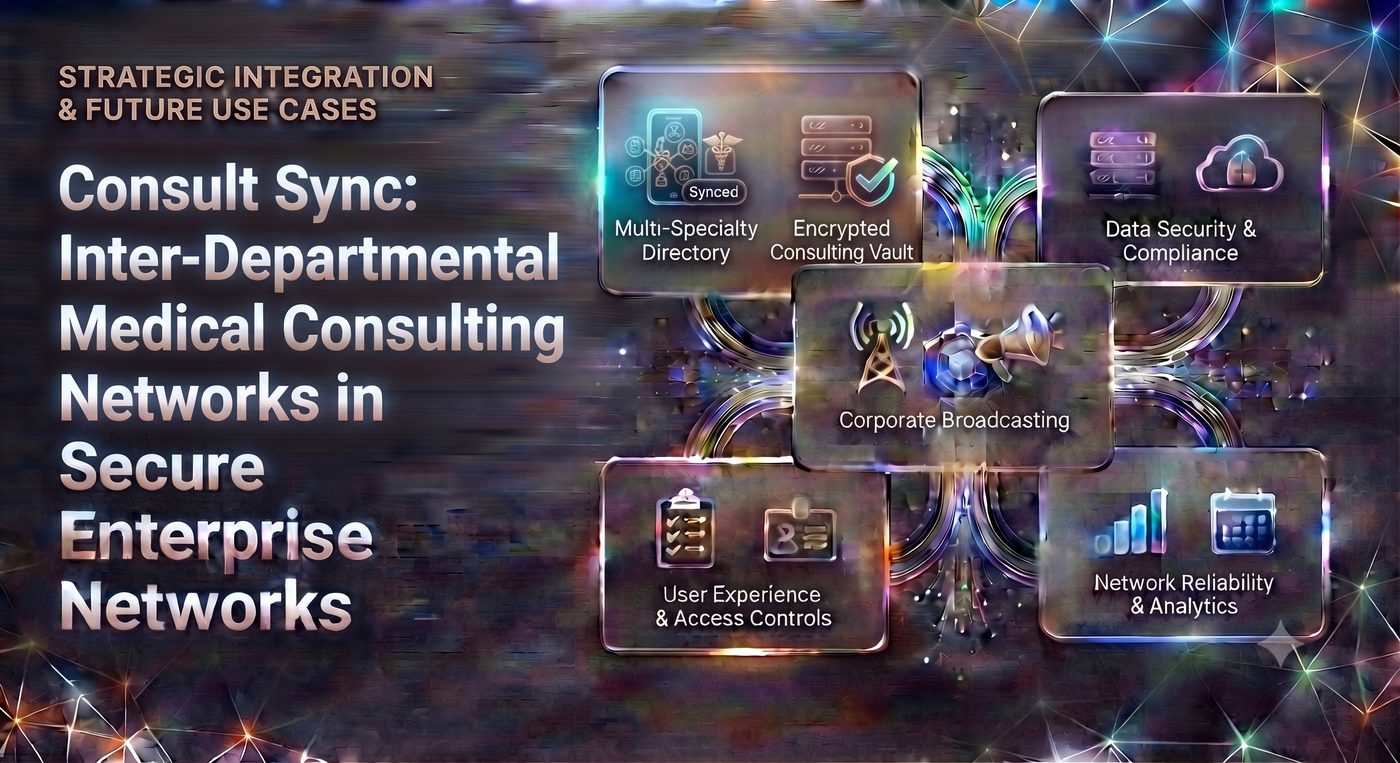
In the complex and multidisciplinary operating environment of modern medical centers, large-scale hospitals, and regional healthcare networks—such as coordinating chief medical officers, clinical department heads, medical specialists, and administrative leads across regional headquarters in Dhaka, commercial centers, and international branches—maintaining seamless inter-departmental case consultation is vital for accurate patient diagnosis and comprehensive treatment planning. When organizations rely on fragmented communication channels, uncoordinated departmental silos, or unverified consumer messaging apps to manage cross-specialty medical consults, patient case reviews, and specialist referrals, it results in critical consultation delays, severe miscommunication risks, and compromised patient outcomes. The definitive key to elevating clinical collaboration and multi-specialty synergy is implementing structured inter-departmental medical consulting networks within a unified enterprise communication network.
The Challenge
How can enterprise healthcare administrators, clinical directors, and IT architects design and deploy a centralized, mobile-accessible directory and communication framework that instantly connects medical specialists across diverse clinical departments for secure case consultations without compromising patient data privacy or system compliance?
The Problem with Fragmented Consultations and Siloed Specialist Channels
Attempting to manage inter-departmental medical consultations using outdated or uncoordinated methods introduces critical vulnerabilities:
* Critical Consultation and Referral Delays: Relying on isolated phone calls or unsegmented chat apps leaves physicians waiting hours for cross-specialty input, severely delaying urgent patient treatment plans.
* High Administrative Friction: Managing multi-departmental specialist availability, case file handovers, and consult logs manually across siloed software systems drains clinical resources.
* Security Risks with Uncontrolled Channels: Transmitting sensitive patient medical histories, diagnostic imaging notes, and inter-specialist clinical commentary through consumer-grade messaging apps exposes healthcare data to severe privacy breaches and regulatory penalties.
The Solution: Centralized Specialist Directories and Encrypted Collaboration Vaults
Transitioning to an advanced, enterprise-grade communication and directory platform—like Jogajog—replaces consulting chaos with a synchronized, accessible, and secure ecosystem. By optimizing inter-departmental medical consulting networks, enterprises ensure:
* Centralized Multi-Specialty Mobile Directories: Enable instant, searchable mobile access to verified contact profiles, active status indicators, and departmental extensions for every medical specialist across the enterprise.
* Encrypted Enterprise Consulting Vaults: Establish secure, end-to-end encrypted communication perimeters and dedicated case review channels exclusively for multidisciplinary clinical teams and consulting physicians.
* Granular Role-Based Access Controls (RBAC): Grant medical specialists, department heads, and clinical administrators access only to the directory fields, case files, and communication channels relevant to their specific consulting scope.
Frequently Asked Questions
Q: Why do traditional communication channels fail to support inter-departmental medical consulting?
A: Consumer messaging apps and unsegmented directories lack cross-specialty integration, priority routing, and stringent data security controls, leading to dangerous communication bottlenecks and privacy violations during complex case reviews.
Q: How do secure enterprise platforms streamline inter-departmental medical consulting networks?
A: Modern enterprise platforms provide centralized multi-specialty directories integrated with encrypted collaboration vaults and role-based access controls. This ensures physicians can rapidly consult across departments while keeping sensitive patient health information strictly protected.