
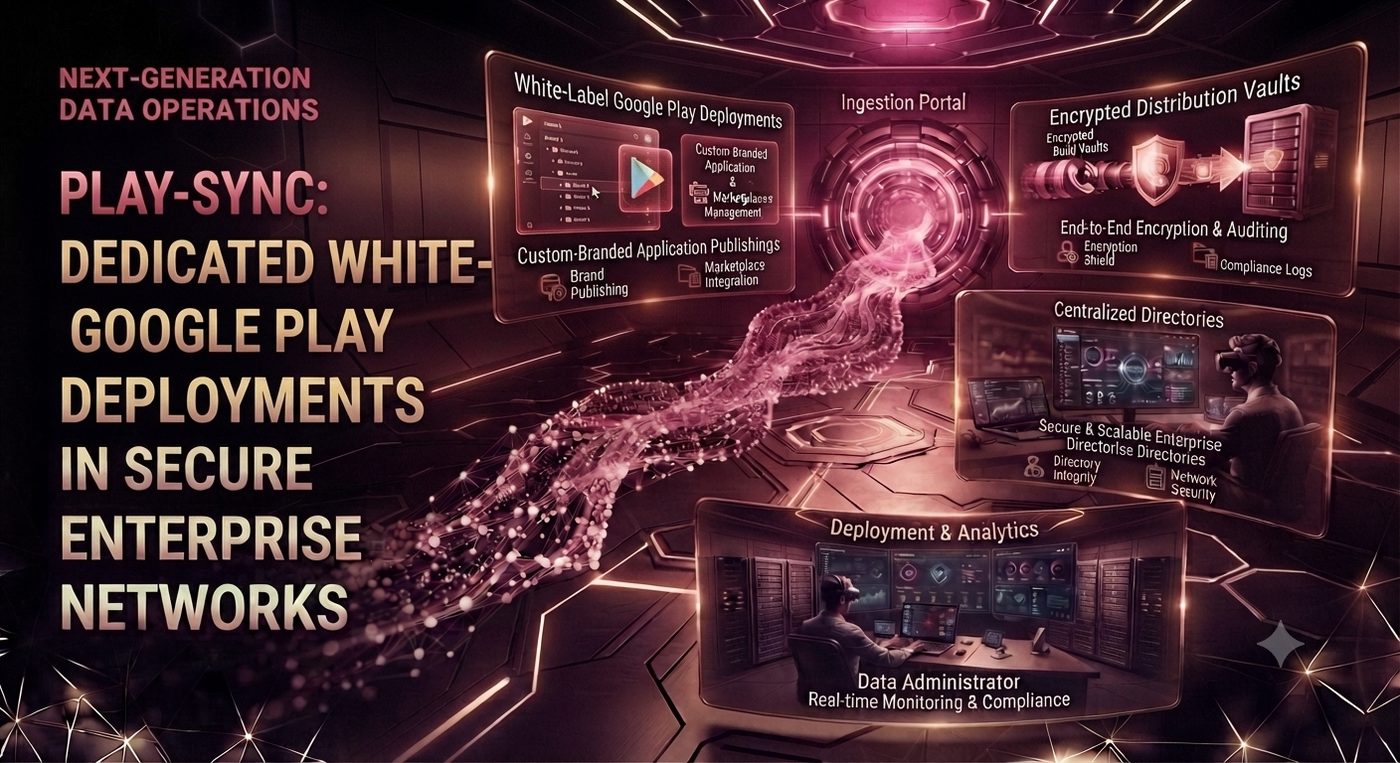
In the brand-conscious and enterprise-aligned operating environment of modern corporate groups, franchise networks, and multi-brand conglomerates—such as coordinating chief marketing officers, enterprise mobile deployment managers, IT directors, and software release engineers across regional headquarters in Dhaka, global brand campuses, and distributed operating units—maintaining custom-branded mobile application touchpoints on official app marketplaces is vital for corporate identity and secure workforce deployment. When organizations rely on generic third-party app wrappers, unbranded enterprise stores, or manual side-loading APKs to distribute internal tools and directories, it results in severe security vulnerabilities, fragmented brand recognition, and critical deployment friction. The definitive key to elevating enterprise mobile distribution efficiency and establishing absolute brand autonomy is implementing dedicated white-label Google Play deployments within a secure enterprise communication network.
The Challenge
How can enterprise IT architects, mobile engineers, and security officers design and deploy a streamlined, fully branded release pipeline that publishes custom enterprise applications directly to the Google Play Store under proprietary corporate developer accounts without compromising enterprise data security standards?
The Problem with Generic App Wrappers and Manual Side-Loading
Attempting to manage enterprise application distribution using outdated or uncoordinated methods introduces critical vulnerabilities:
* Severe Security Risks and Side-Loading Vulnerabilities: Relying on unverified APK side-loading or generic third-party app containers exposes internal enterprise networks to malware, malicious tampering, and unauthorized data interception.
* Lack of Official Marketplace Trust and Update Integrity: Consumer app stores or unbranded web links fail to provide automated security updates or official vetting, leaving employees hesitant and vulnerable to phishing risks.
* High Administrative Friction and Branding Disconnect: Managing separate deployment workflows manually across siloed software systems drains IT resources and prevents organizations from presenting a unified, professional brand identity to their workforce.
The Solution: Dedicated Developer Portals and Encrypted Distribution Vaults
Transitioning to an advanced, enterprise-grade communication and directory platform—like Jogajog—replaces deployment chaos with a streamlined, protected, and fully branded ecosystem. By optimizing dedicated white-label Google Play deployments, enterprises ensure:
* Custom-Branded Application Publishing: Enable seamless, automated packaging and publishing of proprietary enterprise apps featuring custom logos, color schemes, and organizational naming conventions directly onto official app stores under your corporate developer profile.
* Encrypted Enterprise Distribution Vaults: Establish secure, end-to-end encrypted build pipelines and dedicated release management environments exclusively for authorized IT deployment teams, protecting proprietary source code and configuration keys.
* Granular Role-Based Access Controls (RBAC): Grant system administrators, release managers, and security officers access only to the publishing consoles, build logs, and distribution settings authorized under strict corporate governance guidelines.
Frequently Asked Questions
Q: Why do traditional manual side-loading methods fail to support secure enterprise deployments?
A: Manual APK side-loading lacks automated security verification, official app store trust, centralized update mechanisms, and enterprise-grade encryption, creating severe security vulnerabilities and distribution friction for large organizations.
Q: How do secure enterprise platforms streamline dedicated white-label Google Play deployments?
A: Modern enterprise platforms provide fully automated, custom-branded mobile release pipelines integrated with encrypted distribution vaults and strict role-based access controls. This ensures organizations can deploy proprietary applications directly to official marketplaces securely while maintaining absolute protection over enterprise data networks.