Case Study: How Apex Garments Solved Floor-Level Communication Chaos with Jogajog
July 28, 2026 · Jogajog team · 3 min read

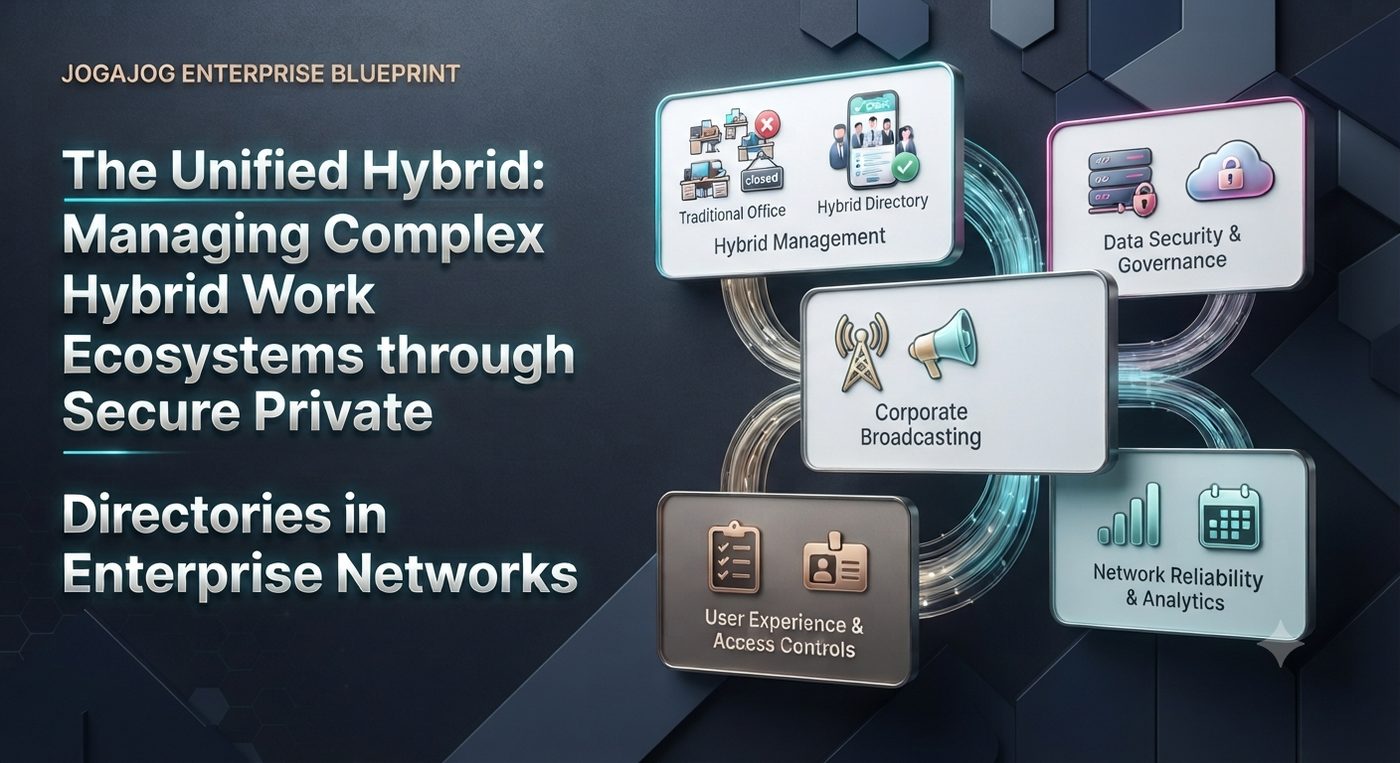
In the fast-paced world of garment and textile manufacturing, operational efficiency is measured in seconds[cite: 1]. When Apex Garments, a mid-sized apparel manufacturer with 1,500 factory workers and floor supervisors in Gazipur, experienced a sudden bottleneck in their production line due to delayed communication between floor supervisors and the central inventory team, leadership knew they needed a digital transformation[cite: 1]. This real-life case study explores how Apex Garments resolved severe communication silos using Jogajog, transitioning from uncoordinated consumer messaging apps to a secure, enterprise-grade private directory and broadcasting network[cite: 1].
The Challenge
How can a large-scale garment factory streamline real-time floor communication, manage shift-based worker directories, and ensure instant broadcasting of urgent production change orders without compromising manufacturing data security?[cite: 1]
The Problem: The Breakdown of Traditional Factory Communication
Before adopting Jogajog, Apex Garments relied on fragmented tools that crippled daily floor operations[cite: 1]:
* The Unregulated Consumer Chat Dilemma: Supervisors and line managers used personal WhatsApp groups to coordinate urgent fabric shortages and machine breakdowns[cite: 1]. This created severe security vulnerabilities, mixed personal and professional data, and left management with no auditable record of floor-level instructions[cite: 1].
* Outdated Shift Rosters and Communication Delays: Workers rotated shifts rapidly, but maintaining up-to-date contact directories on paper or via scattered spreadsheets meant that incoming shift workers often missed critical safety notices or production quota adjustments[cite: 1].
* Lack of Centralized Emergency Broadcasting: When a machine malfunction or safety hazard occurred on the factory floor, there was no instant, reliable way to broadcast an emergency alert to all relevant personnel simultaneously across different factory zones[cite: 1].
The Solution: Centralized Enterprise Networks and Secure Floor Directories
To overcome these critical bottlenecks, Apex Garments deployed Jogajog as their core enterprise communication and directory platform[cite: 1]. The implementation delivered immediate operational improvements[cite: 1]:
* Segmented Floor Directories & Real-Time Sync: Apex replaced outdated paper rosters with Jogajog’s secure digital directory[cite: 1]. Workers and supervisors are automatically organized into role-based containers by floor, line number, and shift, ensuring instant, accurate connectivity[cite: 1].
* Secure Instant Messaging and Audit Trails: Replacing consumer chat apps with Jogajog’s encrypted enterprise messaging allowed line supervisors to report machinery faults and inventory requests instantly with full administrative oversight and compliance tracking[cite: 1].
* Targeted Corporate Broadcasting: Management utilized Jogajog’s corporate broadcasting feature to instantly send shift-change updates, safety protocol reminders, and hourly production targets directly to the mobile devices of specific floor teams or the entire factory staff at once[cite: 1].
Frequently Asked Questions
Q: How did Jogajog handle the diverse technological literacy levels of factory line workers?
A: Jogajog’s intuitive mobile interface and streamlined directory design allowed workers to onboard within minutes, requiring minimal training while immediately improving daily communication workflows[cite: 1].
Q: Did implementing Jogajog disrupt existing manufacturing execution systems (MES)?
A: No[cite: 1]. Jogajog’s flexible architecture and integration capabilities allowed management to sync directory data smoothly alongside existing operational workflows without downtime[cite: 1].
See this feature with your own data.
Free branded demo, built from your spreadsheet, this week.
Get your free demo