Optimizing Tech Talent: IT Agency Developer Resource Management in Secure Enterprise Networks
July 28, 2026 · Jogajog team · 3 min read

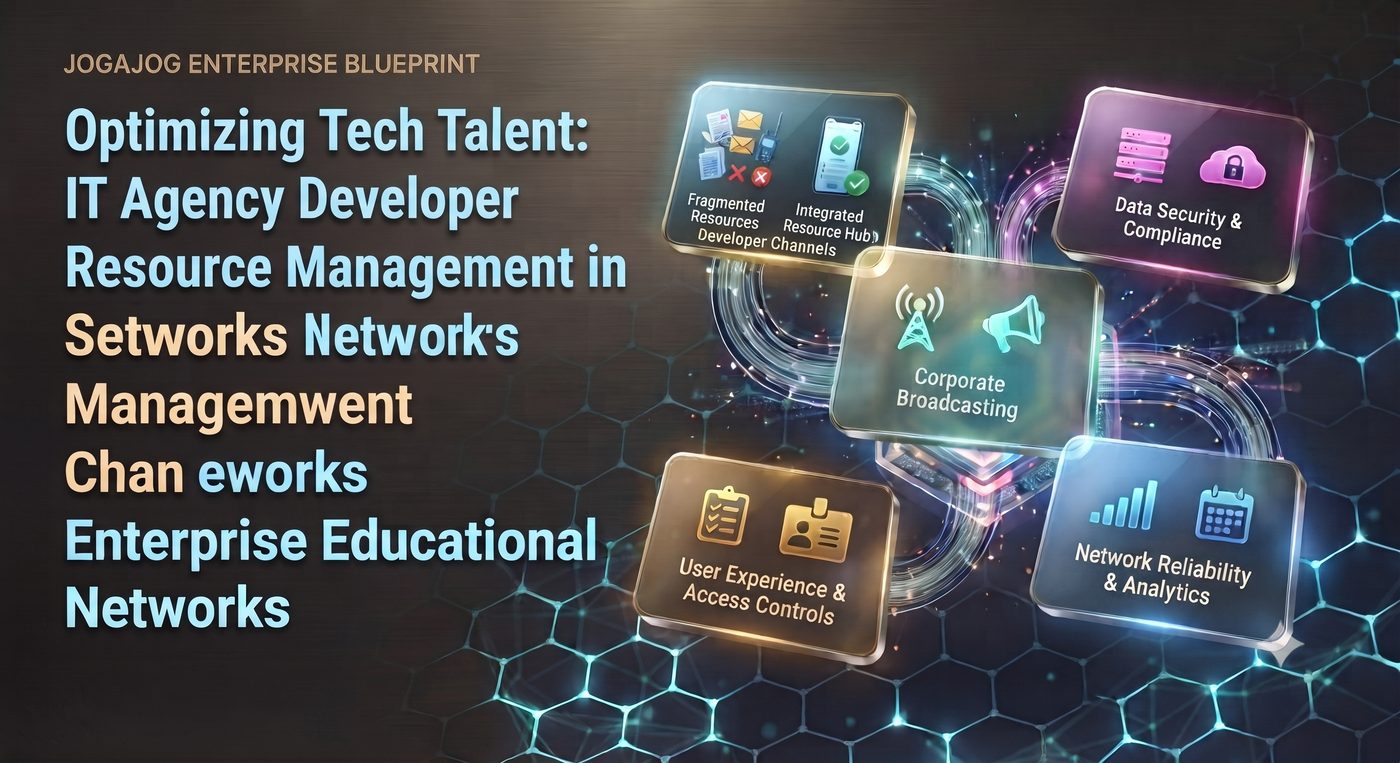
In the fast-paced, high-demand software development and digital transformation environment—such as coordinating full-stack developers, DevOps engineers, QA specialists, and UI/UX designers across Dhaka, Chittagong, and expanding tech hubs—maintaining absolute visibility over engineering talent is vital for project delivery. When IT agency leaders rely on fragmented consumer chat apps, unmonitored personal contact lists, or scattered spreadsheet rosters to manage developer allocations and project assignments, it results in critical resource bottlenecks, severe security vulnerabilities, and missed delivery deadlines. The definitive key to elevating agency productivity and safeguarding proprietary source code is implementing structured IT agency developer resource management within a unified enterprise communication network.
The Challenge
How can CTOs, engineering managers, and IT agency directors design and deploy a centralized, mobile-accessible directory and communication framework that tracks developer availability, manages multi-project allocations instantly, and protects sensitive repository credentials from unauthorized exposure?
The Problem with Fragmented Resource Tools and Public Messaging Apps
Attempting to manage dynamic software engineering teams using consumer messaging apps or legacy static tools introduces severe operational vulnerabilities:
* Resource Allocation Blind Spots and Scheduling Conflicts: When engineering leads use disconnected communication channels to track developer bandwidth, teams experience overlapping allocations, leading to burnout and delayed software releases.
* Data Security Breaches and IP Vulnerabilities: Exchanging sensitive API keys, database credentials, and proprietary code snippets on unencrypted consumer apps risks severe enterprise data breaches and intellectual property theft.
* Lack of Centralized Administrative Oversight: Without unified control over agency communication channels, leadership cannot audit team interactions, manage developer permissions, or revoke access when contract developers transition out of the firm.
The Solution: Centralized Developer Directories and Encrypted Collaboration Hubs
Transitioning to an advanced, enterprise-grade communication and directory platform—like Jogajog—replaces operational friction with a secure, highly organized engineering ecosystem. By centralizing IT agency developer resource management, enterprises ensure:
* Searchable Multi-Tiered Developer Directories: Enable engineering managers to search, verify, and connect with specific front-end, back-end, and QA resources instantly via a secure mobile directory.
* Encrypted Project Collaboration Channels: Establish isolated, end-to-end encrypted communication spaces for specific client squads and code repositories, ensuring that architectural discussions and sprint plans remain strictly protected.
* Granular Role-Based Access Controls (RBAC): Grant internal developers, external contractors, and project managers access only to the communication channels and technical document repositories relevant to their active sprint scope.
Frequently Asked Questions
Q: How do secure enterprise platforms protect sensitive API credentials and repository access data shared among developers?
A: Modern enterprise platforms utilize end-to-end encryption, strict role-based access controls (RBAC), and secure data partitioning, ensuring that confidential technical credentials and source code details are only accessible to authorized engineering personnel.
Q: Can agency managers grant temporary directory access to freelance developers or short-term technical consultants?
A: Yes. Administrators can provision sandboxed, temporary guest accounts with restricted permissions, allowing external developers to collaborate on active sprint channels while keeping the core agency resource directory completely secure.
See this feature with your own data.
Free branded demo, built from your spreadsheet, this week.
Get your free demo