Knowledge Delivery: Training & Learning Management Delivery via App Handbooks in Secure Enterprise Networks
July 28, 2026 · Jogajog team · 3 min read

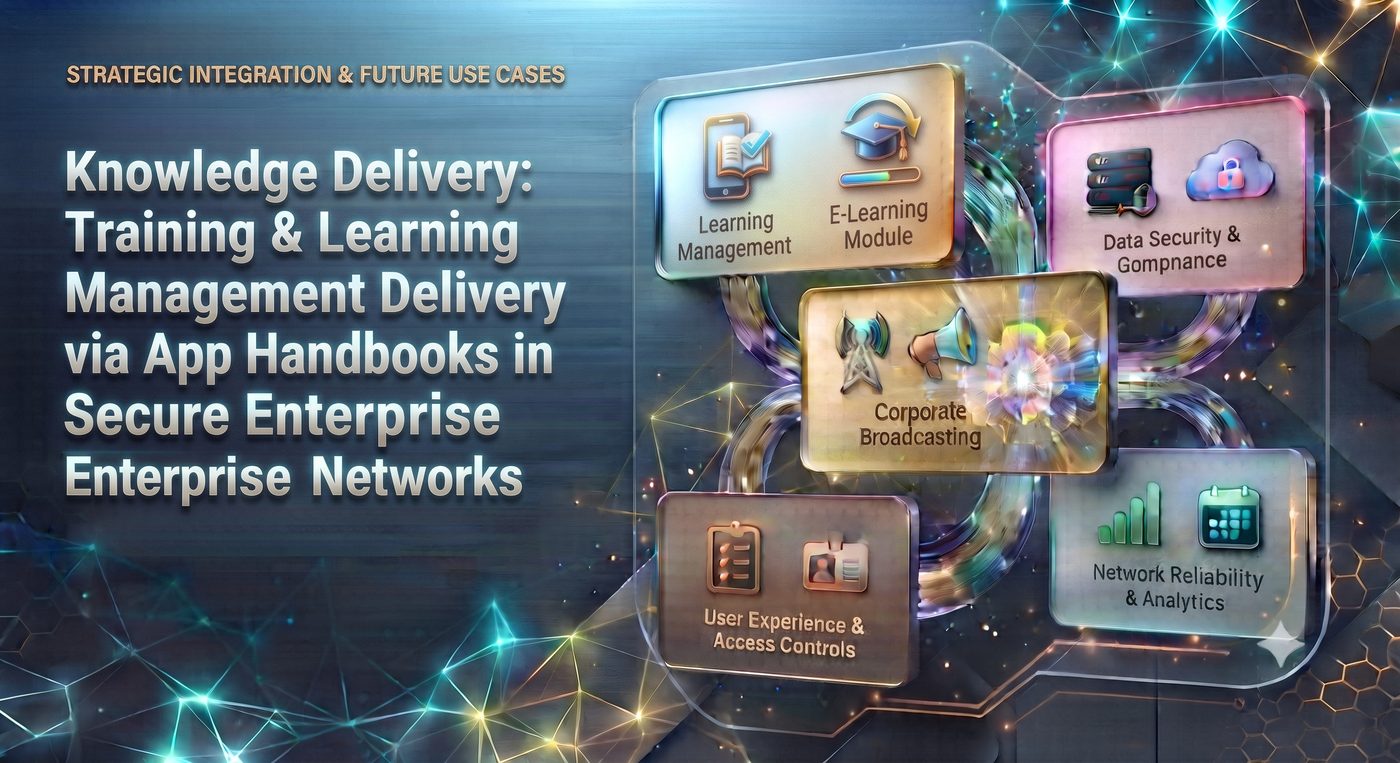
In the knowledge-driven and continuously evolving environment of modern corporations, financial institutions, and global enterprises—such as coordinating chief learning officers, training directors, human resources leads, and administrative heads across regional headquarters in Dhaka, commercial centers, and international branches—maintaining consistent and accessible employee training is vital for workforce development. When organizations rely on fragmented training manuals, physical employee handbooks, or disconnected e-learning portals that fail to deliver real-time educational content, it results in critical knowledge gaps, low onboarding completion rates, and severe compliance tracking vulnerabilities. The definitive key to elevating workforce capability and continuous professional development is implementing training and learning management delivery via mobile app handbooks within a unified enterprise communication network.
The Challenge
How can enterprise training directors, HR leaders, and IT architects design and deploy a centralized, mobile-accessible directory and communication framework that delivers interactive learning modules, digital training handbooks, and compliance courses directly to employee devices without compromising data security or system performance?
The Problem with Physical Handbooks and Fragmented E-Learning Silos
Attempting to manage corporate training and professional development using outdated, static methods introduces critical vulnerabilities:
* Knowledge Gaps and Outdated Training Materials: Relying on printed handbooks or unupdated web portals leaves staff vulnerable to obsolete compliance guidelines and operational policies.
* Low Engagement and Completion Friction: Disconnected external learning management systems (LMS) frustrate employees with clunky interfaces, leading to low course completion rates and poor knowledge retention.
* Compliance and Security Risks: Storing sensitive training records and proprietary educational modules on unencrypted or third-party platforms exposes organizational intellectual property to regulatory breaches.
The Solution: Mobile Learning Delivery and Encrypted Collaboration Hubs
Transitioning to an advanced, enterprise-grade communication and directory platform—like Jogajog—replaces training friction with an intuitive, synchronized, and secure ecosystem. By optimizing learning management delivery via mobile app handbooks, enterprises ensure:
* Instant Mobile App Handbook Access: Enable lightning-fast, searchable access to digital training handbooks, corporate guidelines, and professional development modules directly from any mobile enterprise device.
* Encrypted Enterprise Training Vaults: Establish secure, end-to-end encrypted repositories and communication channels for training materials, assessment scores, and certification records.
* Granular Role-Based Access Controls (RBAC): Grant staff, trainees, and department managers access only to the specific training modules, handbook chapters, and educational directories relevant to their professional grade.
Frequently Asked Questions
Q: Why do traditional physical handbooks and disconnected e-learning portals fail to support modern enterprise training?
A: Physical handbooks quickly become obsolete and difficult to update across regional branches, while disconnected e-learning portals suffer from poor mobile accessibility and low user engagement, leading to critical knowledge gaps and compliance risks.
Q: How do secure enterprise platforms streamline training and learning management delivery?
A: Modern enterprise platforms integrate digital app handbooks and training modules directly into a centralized mobile communication framework. This provides employees with instant, secure access to continuous learning resources while ensuring strict compliance tracking and data protection.
See this feature with your own data.
Free branded demo, built from your spreadsheet, this week.
Get your free demo