Modern Policy: Employee Handbook Digitalization in Secure Enterprise Networks
July 28, 2026 · Jogajog team · 3 min read

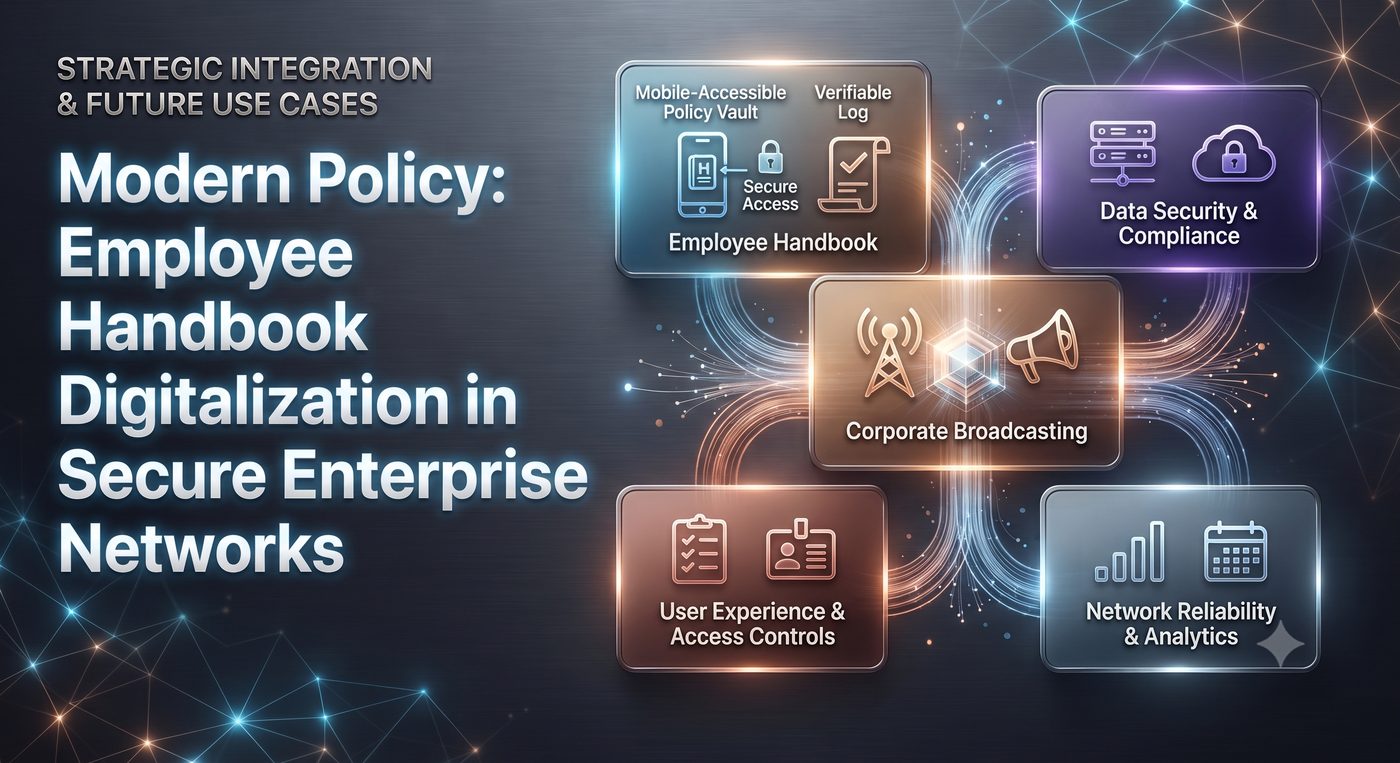
In the evolving and compliance-driven environment of modern corporations, multi-branch enterprises, and global organizations—such as coordinating chief human resources officers, talent development directors, compliance leads, and administrative heads across regional headquarters in Dhaka, commercial centers, and international branches—maintaining up-to-date and accessible company policies is vital for organizational governance. When organizations rely on printed manuals, static PDF documents, or unverified file shares to distribute employee handbooks and policy updates, it results in critical compliance gaps, widespread employee ignorance of company guidelines, and severe administrative friction. The definitive key to elevating workforce alignment and regulatory compliance is implementing comprehensive employee handbook digitalization within a unified enterprise communication network.
The Challenge
How can enterprise HR leaders, compliance directors, and IT architects design and deploy a centralized, mobile-accessible directory and communication framework that distributes interactive employee handbooks and tracks policy acknowledgments securely across all organizational tiers?
The Problem with Static PDF Manuals and Paper Handbooks
Attempting to manage company policies using outdated or uncoordinated methods introduces critical vulnerabilities:
* Compliance Blind Spots and Legal Risks: Relying on printed manuals or static PDFs means leadership has no way of knowing whether employees have actually received, read, or understood critical policy revisions.
* High Administrative Friction: Updating policies manually and redistributing revised documents across siloed departments wastes valuable human resources and leads to version control confusion.
* Inaccessibility for Non-Desk Workers: Static handbooks stored on internal desktop intranets remain completely inaccessible to field agents, factory workers, and remote personnel.
The Solution: Interactive Digital Portals and Encrypted Collaboration Hubs
Transitioning to an advanced, enterprise-grade communication and directory platform—like Jogajog—replaces policy distribution friction with a searchable, verifiable, and secure ecosystem. By optimizing employee handbook digitalization, enterprises ensure:
* Mobile-Accessible Interactive Policy Vaults: Enable instant, searchable mobile access to digital employee handbooks, code of conduct guidelines, and regulatory compliance protocols for every worker.
* Automated Read-Receipt and Acknowledgment Tracking: Establish verifiable digital logs that record when employees across regional branches open and sign off on updated company policies.
* Granular Role-Based Access Controls (RBAC): Grant staff, managers, and regional directors access only to the policy chapters, compliance documents, and communication tiers relevant to their specific operational jurisdiction.
Frequently Asked Questions
Q: Why do traditional printed or static PDF employee handbooks create severe compliance risks?
A: Static handbooks lack tracking mechanisms, meaning organizations cannot verify if employees have read or understood vital policy updates. They also become outdated quickly and remain inaccessible to non-desk or remote workers.
Q: How do secure enterprise platforms streamline employee handbook digitalization?
A: Modern enterprise platforms provide searchable, mobile-friendly digital policy vaults integrated with automated read-receipt tracking and secure distribution channels. This ensures every employee accesses the most current guidelines while leadership maintains complete compliance visibility.
See this feature with your own data.
Free branded demo, built from your spreadsheet, this week.
Get your free demo