Volunteer-Sync: Volunteer Group Rapid Coordination in Secure Enterprise Networks
July 28, 2026 · Jogajog team · 3 min read

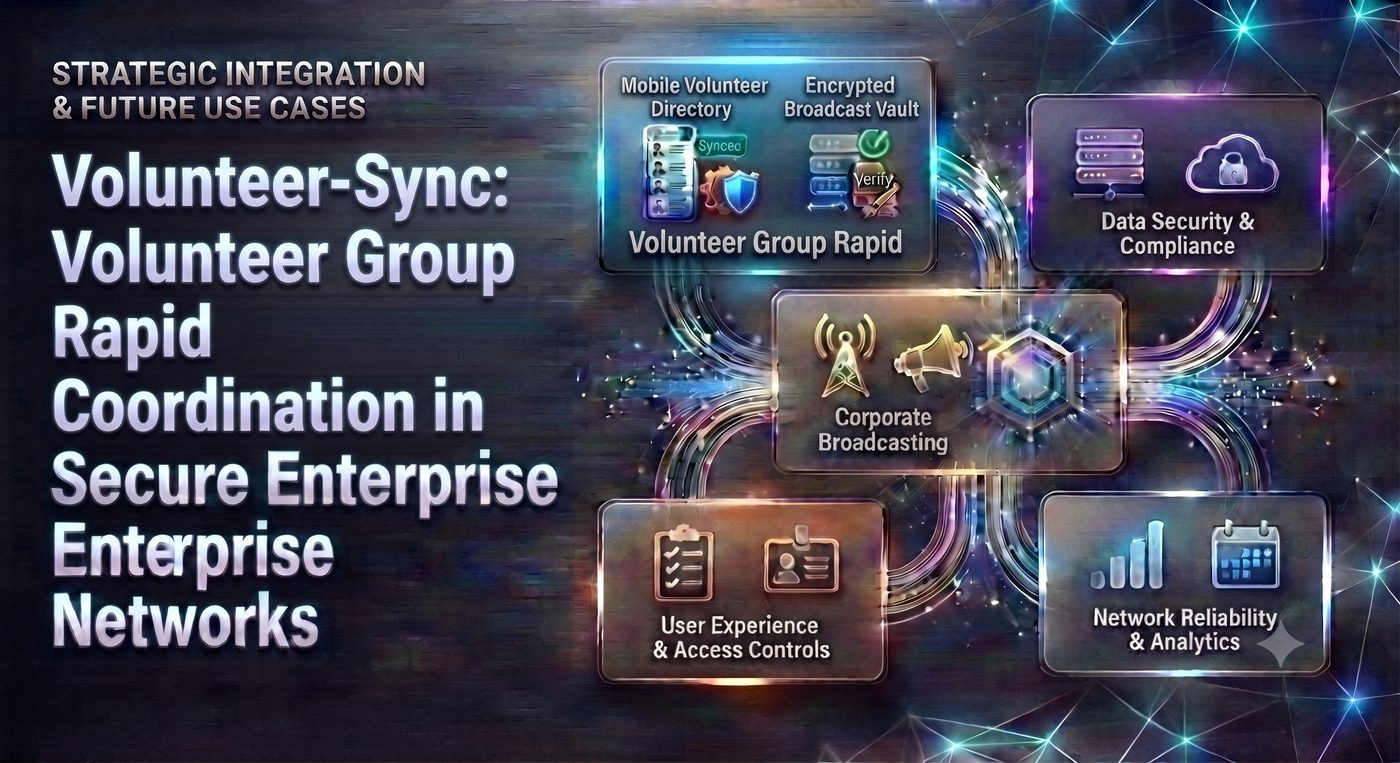
In the fast-moving and high-impact operating environment of modern volunteer organizations, civic associations, and community disaster-response networks—such as coordinating volunteer directors, logistics leads, field coordinators, and community outreach managers across regional headquarters in Dhaka, local response chapters, and emergency deployment sites—maintaining structured, real-time rapid coordination is vital for community support and mission success. When organizations rely on fragmented social media groups, unverified group chats, or consumer messaging apps to manage volunteer rosters, deployment instructions, and emergency alerts, it results in critical communication delays, severe logistical failures, and compromised community safety. The definitive key to elevating civic mobilization efficiency and safeguarding volunteer communications is implementing structured volunteer group rapid coordination within a unified enterprise communication network.
The Challenge
How can enterprise volunteer organizations, civic leaders, and IT architects design and deploy a centralized, mobile-accessible directory and communication framework that instantly mobilizes and coordinates dispersed volunteer groups during community initiatives or crises without risking message failure or data exposure?
The Problem with Fragmented Social Groups and Consumer Messaging Apps
Attempting to manage volunteer group rapid coordination using outdated or uncoordinated methods introduces critical vulnerabilities:
* Catastrophic Communication Delays and Coordination Breakdowns: Relying on public social media groups, unstructured phone trees, or consumer chat apps leaves volunteer teams uninformed during active community deployments, local relief efforts, or emergency situations.
* Lack of Priority Routing and Delivery Tracking: Consumer messaging apps provide zero guarantees of message delivery, priority broadcast override, or read-receipt tracking, preventing volunteer leaders from confirming who has received critical deployment instructions.
* High Administrative Friction and Privacy Risks: Managing volunteer directories manually across fragmented systems drains response teams and exposes personal contact information to unauthorized third parties and security threats.
The Solution: Centralized Volunteer Directories and Encrypted Collaboration Vaults
Transitioning to an advanced, enterprise-grade communication and directory platform—like Jogajog—replaces mobilization chaos with a synchronized, protected, and secure ecosystem. By optimizing volunteer group rapid coordination, enterprises ensure:
* Centralized and Verified Mobile Volunteer Directories: Enable secure, searchable mobile access to verified volunteer profiles, skill specializations, and chapter leadership contacts, ensuring immediate coordination during community initiatives.
* Encrypted Enterprise Safety Broadcast Vaults: Establish secure, end-to-end encrypted communication perimeters and dedicated priority-override broadcast channels exclusively for volunteer directors, logistics leads, and field supervisors.
* Granular Role-Based Access Controls (RBAC): Grant volunteer coordinators, chapter leads, and administrative staff authorized access to trigger deployment alerts, manage group communication channels, and review post-event audit logs.
Frequently Asked Questions
Q: Why do traditional social media groups and consumer apps fail during volunteer rapid coordination?
A: Standard consumer chat apps and public social platforms lack priority message routing, end-to-end reliability, delivery tracking, and administrative security controls, creating dangerous communication failures during high-stress community responses.
Q: How do secure enterprise platforms streamline volunteer group rapid coordination?
A: Modern enterprise platforms provide centralized, mobile-accessible directory frameworks integrated with priority-override broadcasting and encrypted collaboration vaults. This ensures volunteer leaders can instantly dispatch verified instructions while keeping institutional networks strictly protected.
See this feature with your own data.
Free branded demo, built from your spreadsheet, this week.
Get your free demo