Obfuscation-Sync: Granular Field-Level Data Obfuscation in Secure Enterprise Networks
July 28, 2026 · Jogajog team · 3 min read

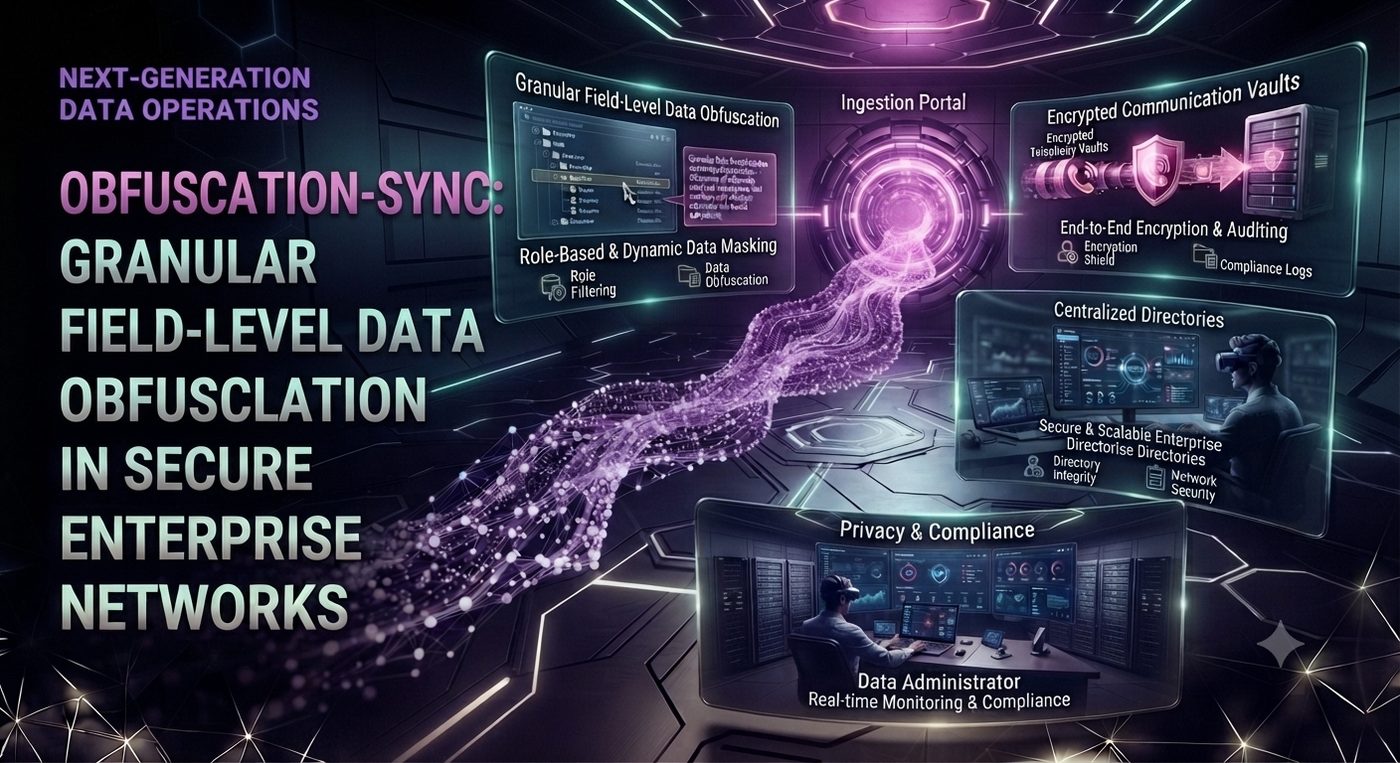
In the highly regulated and data-sensitive operating environment of modern multinational corporations, financial institutions, and government enterprises—such as coordinating chief information security officers, compliance directors, database architects, and privacy officers across regional headquarters in Dhaka, global tech campuses, and distributed enterprise units—maintaining strict control over visible directory fields is vital for protecting confidential employee records and meeting regulatory compliance. When organizations rely on broad, all-or-nothing access permissions, unmasked directory flat-files, or consumer communication apps to manage internal contact lists and user profiles, it results in severe privacy leaks, critical regulatory non-compliance, and compromised corporate security. The definitive key to elevating enterprise data protection and ensuring absolute privacy compliance is implementing granular field-level data obfuscation within a unified enterprise communication network.
The Challenge
How can enterprise IT architects, security officers, and compliance leads design and deploy a centralized directory and communication framework that selectively masks or obfuscates specific sensitive data fields (such as personal phone numbers, home addresses, or financial extensions) based on user roles without breaking core enterprise search and collaboration workflows?
The Problem with Broad Access Controls and Unmasked Directories
Attempting to manage sensitive directory data using outdated or uncoordinated methods introduces critical vulnerabilities:
* Severe Privacy Leaks and Data Exposure: Relying on unmasked directory sheets exposes sensitive personal contact information, home addresses, and private personnel metadata to unauthorized internal viewers, creating severe legal and security liabilities.
* Lack of Regulatory Compliance and Audit Integrity: Legacy directory systems lack granular field-level controls, leaving organizations vulnerable to regulatory penalties under international data protection frameworks like GDPR and local privacy mandates.
* High Administrative Friction and Operational Inefficiencies: Managing data visibility manually across siloed software systems forces IT teams to maintain multiple separate directory lists, leading to constant version control errors and administrative bottlenecks.
The Solution: Granular Field Masking and Encrypted Access Vaults
Transitioning to an advanced, enterprise-grade communication and directory platform—like Jogajog—replaces data exposure risks with a secure, highly controlled, and intelligent ecosystem. By optimizing granular field-level data obfuscation, enterprises ensure:
* Dynamic and Role-Based Field Masking: Enable automated, real-time obfuscation of sensitive directory attributes (such as masking phone numbers or email addresses into hashed or truncated formats) for unauthorized tiers while preserving full visibility for verified managerial roles.
* Encrypted Enterprise Privacy Vaults: Establish secure, end-to-end encrypted perimeters and dedicated compliance auditing layers exclusively for data protection officers, ensuring absolute tracking of data access requests.
* Granular Role-Based Access Controls (RBAC): Grant employees, department leads, and system administrators access only to the exact field visibility levels authorized under strict corporate governance guidelines.
Frequently Asked Questions
Q: Why do traditional directory systems fail to support granular field-level data obfuscation?
A: Legacy directory tools lack dynamic field-level masking algorithms, role-based attribute filtering, and automated privacy compliance auditing, creating severe data exposure risks for modern enterprises.
Q: How do secure enterprise platforms streamline granular field-level data obfuscation?
A: Modern enterprise platforms provide centralized directories integrated with dynamic field-level masking and strict role-based access controls. This ensures organizations can share necessary operational contact details securely while maintaining absolute protection over sensitive personal data attributes.
See this feature with your own data.
Free branded demo, built from your spreadsheet, this week.
Get your free demo