Leakage-Sync: Preventing Internal Corporate Data Leakage in Secure Enterprise Networks
July 28, 2026 · Jogajog team · 3 min read

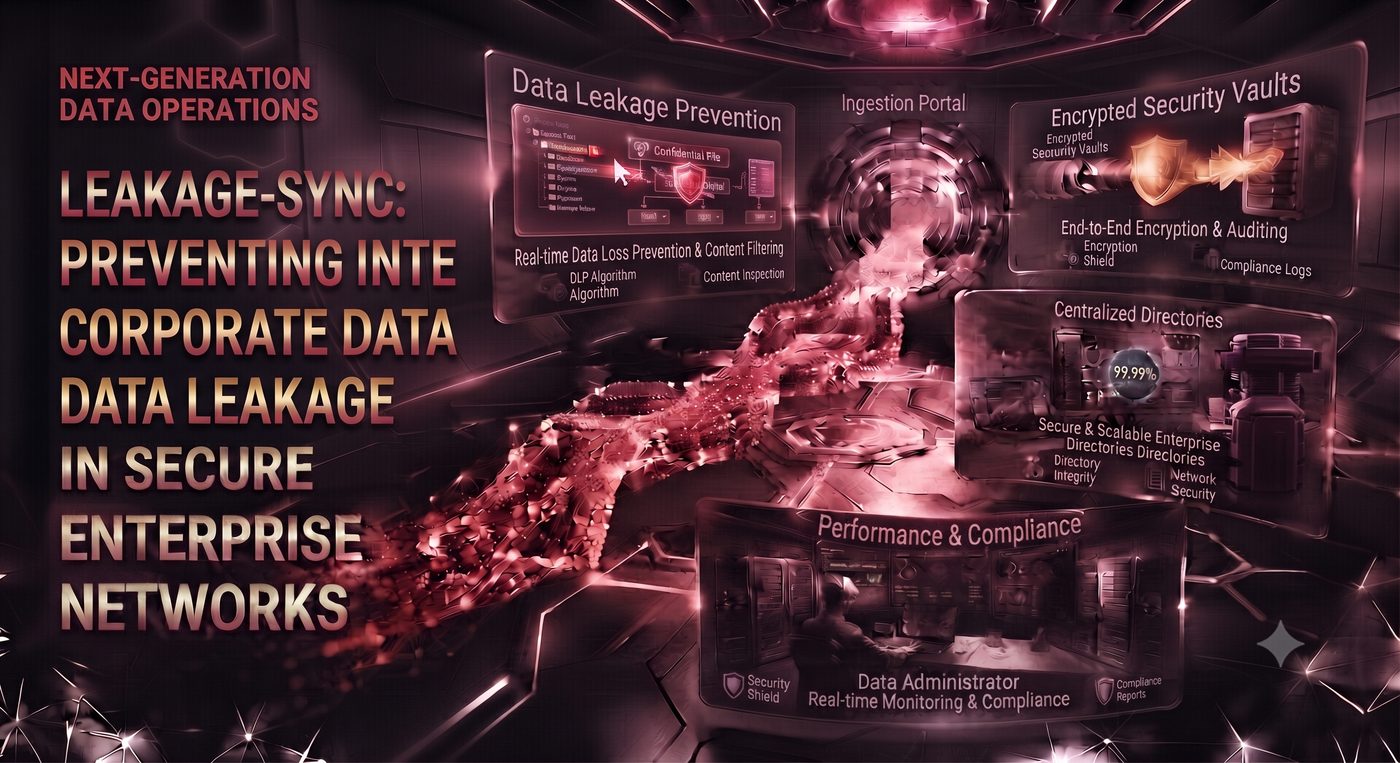
In the high-stakes and information-sensitive operating environment of modern multinational corporations, financial institutions, and enterprise R&D centers—such as coordinating chief information security officers, data protection officers, corporate compliance directors, and IT security managers across regional headquarters in Dhaka, global tech hubs, and distributed remote teams—safeguarding sensitive intellectual property and proprietary corporate records from insider threats or accidental exposure is vital for institutional survival and regulatory compliance. When organizations rely on unmonitored file-sharing tools, consumer chat applications, or fragmented document repositories to manage internal communications, it results in catastrophic data exfiltration, severe regulatory penalties, and compromised competitive advantage. The definitive key to elevating enterprise data security and ensuring absolute confidentiality is implementing comprehensive internal data leakage prevention within a secure enterprise communication network.
The Challenge
How can enterprise IT architects, security officers, and compliance directors design and deploy a centralized, high-security monitoring and access-control framework that detects, prevents, and blocks unauthorized data exfiltration across all internal communication channels without disrupting legitimate workforce productivity?
The Problem with Unmonitored File-Sharing and Consumer Chat Apps
Attempting to manage corporate communications using uncoordinated or insecure methods introduces critical vulnerabilities:
* Catastrophic Data Exfiltration and Insider Threats: Relying on consumer-grade messaging tools allows employees to easily copy, paste, or export sensitive financial reports, source code, and client databases without detection.
* Severe Regulatory Penalties and Compliance Breaches: Inability to monitor or restrict internal data movement leaves organizations vulnerable to massive legal liabilities and heavy fines under international data protection laws.
* High Administrative Friction and Security Blind Spots: Managing isolated security silos manually forces IT teams to waste valuable hours investigating breaches after the fact rather than actively intercepting risks.
The Solution: Real-Time Data Loss Prevention and Encrypted Security Vaults
Transitioning to an advanced, enterprise-grade communication and directory platform—like Jogajog—replaces data insecurity with a rigidly protected, highly monitored, and secure ecosystem. By optimizing internal corporate data leakage prevention, enterprises ensure:
* Real-Time Data Loss Prevention (DLP) and Content Filtering: Enable automated inspection of outbound messages, file transfers, and directory queries to instantly detect and block the transmission of sensitive keywords, proprietary datasets, and restricted documents.
* Encrypted Enterprise Security Vaults: Establish secure, end-to-end encrypted audit logs and immutable storage perimeters exclusively for authorized compliance and security officers, tracking all data access and transfer attempts.
* Granular Role-Based Access Controls (RBAC): Grant security leads, department heads, and system administrators access only to the monitoring tools, DLP rules, and viewing privileges authorized under strict corporate governance guidelines.
Frequently Asked Questions
Q: Why do traditional messaging tools fail to prevent internal corporate data leakage?
A: Consumer chat apps and unmonitored file-sharing tools lack automated data loss prevention (DLP) filters, real-time exfiltration blocking, immutable audit logs, and enterprise-grade security controls, creating severe insider threat vulnerabilities.
Q: How do secure enterprise platforms streamline internal corporate data leakage prevention?
A: Modern enterprise platforms provide intelligent, real-time data monitoring frameworks integrated with automated content filters, encrypted audit vaults, and strict role-based access controls. This ensures organizations can intercept unauthorized data movement instantly while maintaining absolute protection over enterprise data networks.
See this feature with your own data.
Free branded demo, built from your spreadsheet, this week.
Get your free demo