LearnSync-Handbook: Training & Learning Management Delivery via App Handbooks in Secure Enterprise Networks
July 28, 2026 · Jogajog team · 3 min read

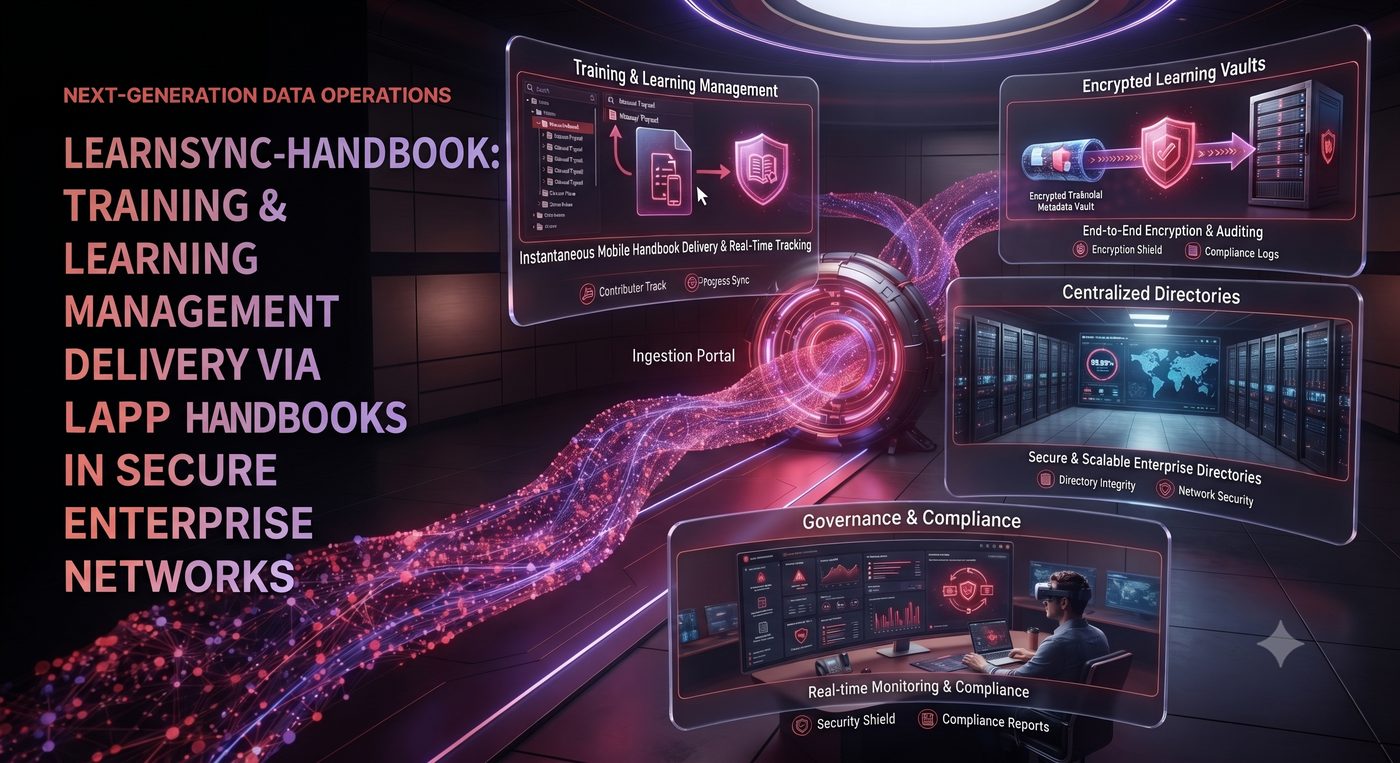
In the fast-paced and continuous skill-building operating environment of modern multinational corporations, enterprise learning and development leaders, corporate training directors, and employee onboarding managers—such as coordinating chief human resources officers, talent development leads, regional training coordinators, and IT infrastructure managers across regional headquarters in Dhaka, global operational campuses, and distributed remote teams—implementing robust training and learning management delivery via mobile app handbooks is vital for driving continuous employee upskilling, standardizing onboarding processes, and safeguarding institutional training data. When organizations rely on static desktop training portals, printed employee handbooks, or uncoordinated LMS links, it results in severe completion friction, delayed skill acquisition, and compromised instructional tracking. The definitive key to elevating enterprise workforce capability and ensuring absolute compliance alignment is executing seamless learning management delivery via mobile handbooks within a secure enterprise communication network.
The Challenge
How can enterprise IT architects, learning directors, and system administrators design and deploy a centralized, high-speed mobile delivery framework that distributes interactive training modules, digital employee handbooks, and compliance tracking metrics across the entire global enterprise network without introducing security vulnerabilities or learning bottlenecks?
The Problem with Static Training Portals and Legacy Employee Handbooks
Attempting to manage enterprise-wide learning and development using outdated delivery methods introduces critical business vulnerabilities:
* Severe Engagement Friction and Completion Delays: Relying on desktop-bound learning management systems or static PDF handbooks leads to low course completion rates, poor knowledge retention, and delayed employee onboarding.
* High Security Risks and Proprietary Training Data Leakage: Distributing sensitive corporate training materials or proprietary operational procedures across unsecured third-party platforms creates massive vulnerabilities for intellectual property theft.
* Lack of Centralized Tracking and Compliance Oversight: Inability to monitor real-time training progress or enforce strict access controls across distributed teams makes it impossible for HR leaders to verify regulatory compliance.
The Solution: Mobile Handbook Delivery and Encrypted Security Vaults
Transitioning to an advanced, enterprise-grade communication and directory platform—like Jogajog—replaces training management friction with a unified, high-speed, and secure ecosystem. By optimizing training and learning management delivery via app handbooks, enterprises ensure:
* Instantaneous Mobile Handbook Delivery and Real-Time Tracking: Enable lightning-fast, pocket-accessible interactive training handbooks and automated progress syncing that keep employees fully aligned with corporate standards regardless of location.
* Encrypted Enterprise Learning Vaults: Establish secure, end-to-end encrypted training metadata repositories and immutable completion audit logs exclusively for authorized HR directors and compliance leads, protecting all sensitive employee development records.
* Granular Role-Based Access Controls (RBAC): Grant learning and development leads, regional trainers, and system administrators access only to the course modules, handbook versions, and viewing privileges authorized under strict corporate governance guidelines.
Frequently Asked Questions
Q: Why do traditional training portals and PDF handbooks fail to support modern enterprise workforces?
A: Desktop-bound LMS platforms and static documents lack mobile accessibility, fail to provide real-time completion tracking, and introduce severe engagement friction for remote and distributed employees.
Q: How do secure enterprise platforms optimize training delivery via app handbooks?
A: Modern enterprise platforms provide centralized mobile directory frameworks integrated with interactive handbook delivery, encrypted administrative vaults, and strict role-based access controls. This ensures organizations can achieve scalable workforce upskilling while maintaining absolute protection over enterprise data networks.
See this feature with your own data.
Free branded demo, built from your spreadsheet, this week.
Get your free demo