
In the fast-paced and operationally demanding environment of modern logistics, field service providers, and multi-branch enterprises—such as coordinating chief operations officers, field logistics directors, fleet managers, and administrative heads across regional headquarters in Dhaka, commercial centers, and international branches—maintaining real-time geographic visibility is vital for deployment efficiency. When organizations rely on unverified location tracking, fragmented communication apps, or manual check-ins to monitor field agents, delivery personnel, and mobile workforces, it results in critical operational blind spots, delayed response times, and severe security vulnerabilities. The definitive key to elevating field accountability and situational awareness is implementing structured location sharing protocols for field teams within a unified enterprise communication network.
The Challenge
How can enterprise operations directors, field logistics leads, and IT architects design and deploy a centralized, mobile-accessible directory and communication framework that safely tracks mobile field teams in real time without compromising employee privacy or exposing geographic tracking data to external vulnerabilities?
The Problem with Manual Check-Ins and Fragmented Tracking Apps
Attempting to manage field teams using outdated or uncoordinated tracking methods introduces critical vulnerabilities:
* Operational Blind Spots and Response Delays: Relying on manual check-ins or status updates leaves dispatchers without real-time visibility, slowing down emergency responses and task reassignments.
* High Communication Friction: Disconnected field agents struggling to communicate location updates through unverified messaging platforms lead to miscommunication and wasted travel time.
* Privacy and Security Risks: Transmitting unencrypted GPS data or employee location logs through consumer-grade apps exposes sensitive tracking metadata to interception and regulatory breaches.
The Solution: Secure Geolocation Sync and Encrypted Collaboration Hubs
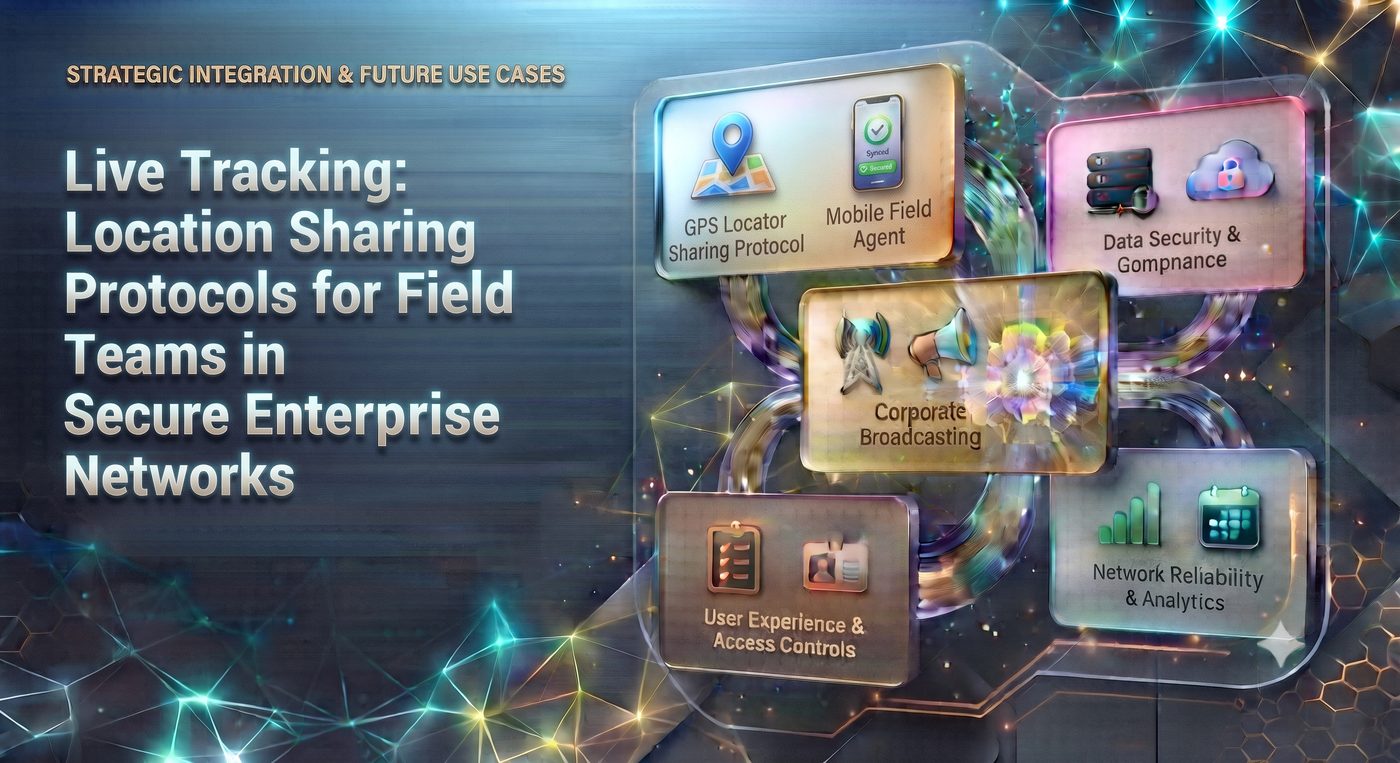
Transitioning to an advanced, enterprise-grade communication and directory platform—like Jogajog—replaces manual tracking friction with a secure, real-time, and synchronized ecosystem. By optimizing location-sharing protocols for field teams, enterprises ensure:
* Real-Time Mobile Geolocation Synchronization: Enable instant, API-driven location tracking embedded directly within mobile employee directories, allowing dispatchers to view active field units securely.
* Encrypted Enterprise Location Vaults: Establish secure, end-to-end encrypted data transmission channels for all location pings, route histories, and operational status logs.
* Granular Role-Based Access Controls (RBAC): Grant staff, field managers, and dispatchers access only to the geographic coordinates, tracking feeds, and directory fields relevant to their specific operational jurisdiction.
Frequently Asked Questions
Q: Why do traditional manual check-ins and unverified tracking apps create severe operational risks for field teams?
A: Manual check-ins create severe visibility gaps and response delays, while unverified consumer apps lack end-to-end encryption, exposing sensitive employee location data and operational movements to security breaches.
Q: How do secure enterprise platforms streamline location sharing and field management?
A: Modern enterprise platforms integrate real-time, encrypted geolocation protocols directly with mobile employee directories and role-based access controls. This ensures dispatchers have accurate, live visibility of field teams while keeping all tracking data fully protected.