
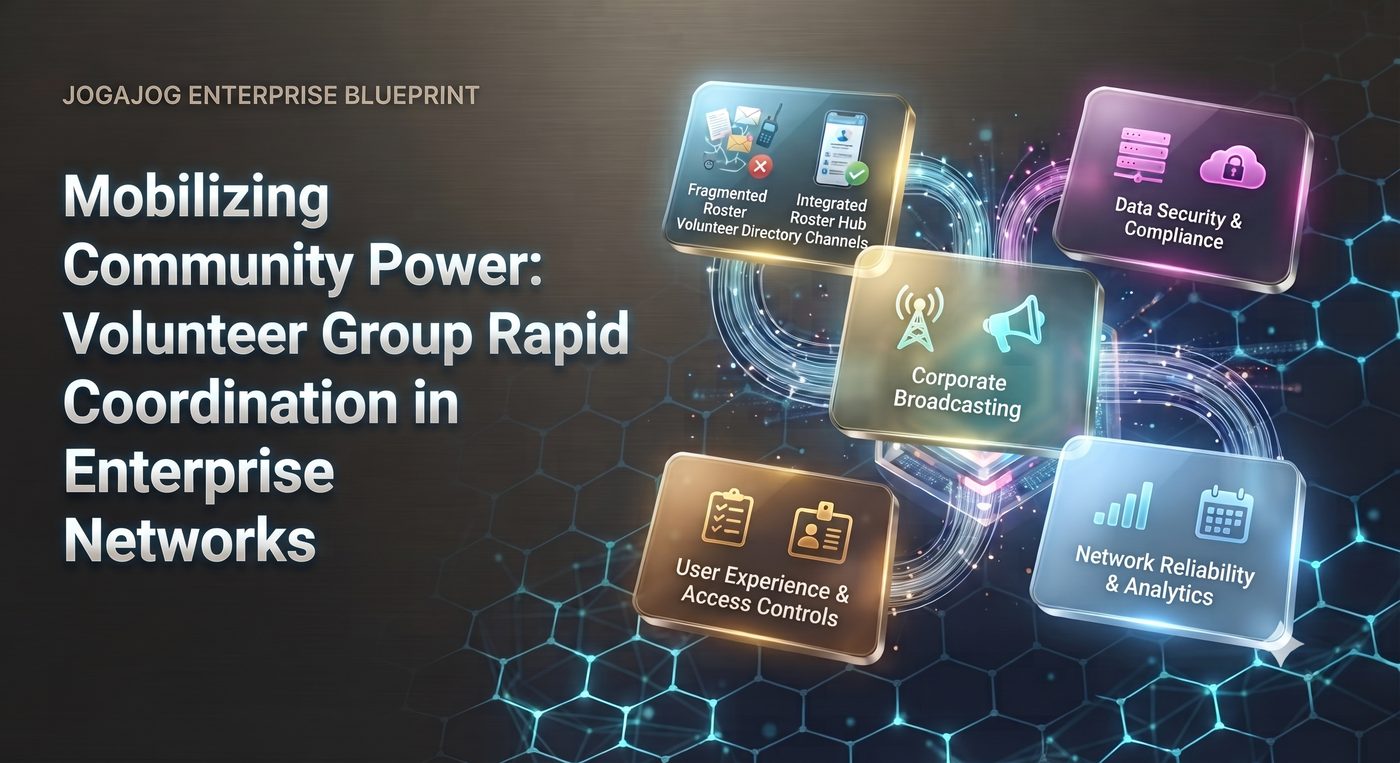
In the high-tempo, dynamic environment of large-scale community initiatives, non-profit organizations, civic associations, and disaster response teams—such as coordinating hundreds of spontaneous volunteers, medical professionals, logistics teams, and local organizers across complex operational zones in Dhaka, Sylhet, and regional hubs—achieving instant communication alignment is vital for effective action. When community leadership relies on fragmented consumer messaging apps, unmonitored public social media groups, or unsecured personal contact spreadsheets to manage volunteer rosters and dispatch teams, it results in severe communication chaos, critical safety risks, and catastrophic operational delays during emergency situations. The definitive key to elevating volunteer mobilization efficiency and data accountability is implementing centralized volunteer group rapid coordination within a unified enterprise communication network.
The Challenge
How can NGO directors, community association presidents, and volunteer managers design and deploy a centralized, mobile-accessible directory and communication framework that organizes diverse skill sets, manages multi-team deployments instantly, and protects sensitive volunteer data and operational logistics from external exposure?
The Problem with Fragmented Volunteer Rosters and Public Messaging Apps
Attempting to manage large-scale volunteer groups using consumer messaging tools or unmanaged platforms introduces critical vulnerabilities:
* Operational Chaos and Communication Silos: When spontaneous volunteers, logistics coordinators, and medical leads use disconnected communication channels, urgent task assignments, safety alerts, and supply chain updates fail to reach the right teams instantly.
* Data Security Breaches and Privacy Risks: Storing confidential volunteer contact lists, medical certifications, and availability schedules on unsecured personal devices or public cloud apps risks severe data leaks and privacy violations.
* Lack of Centralized Administrative Oversight: Without unified control over volunteer communication channels, non-profit leadership cannot verify volunteer credentials, audit real-time team locations, or revoke system access effectively after an event concludes.
The Solution: Centralized Volunteer Directories and Encrypted Collaboration Hubs
Transitioning to an advanced, enterprise-grade communication and directory platform—like Jogajog—replaces mobilization friction with a secure, highly organized community ecosystem. By centralizing volunteer group rapid coordination, enterprises ensure:
* Searchable Multi-Tiered Volunteer Skill Directories: Enable verified volunteer managers and team leads to search, filter, and connect with specific medical professionals, logistics experts, and translators instantly via a secure mobile directory.
* Encrypted Volunteer Deployment Channels: Establish isolated, end-to-end encrypted communication spaces for specific response teams, task forces, and geographic zones, ensuring all operational logistics and safety directives remain strictly protected.
* Granular Role-Based Access Controls (RBAC): Grant volunteer leaders, team captains, and administrative staff access only to the directory listings, communication groups, and emergency protocols relevant to their specific role and authorization level.
Frequently Asked Questions
Q: How do secure enterprise platforms protect sensitive volunteer contact data while maintaining necessary accessibility for rapid coordination?
A: Modern enterprise platforms utilize end-to-end encryption, granular Role-Based Access Controls (RBAC), and Privacy-by-Design directory architectures, allowing volunteer administrators to maintain comprehensive rosters and facilitate communication without exposing private phone numbers or personal details to unauthorized members.
Q: Can volunteer managers send targeted emergency alerts to specific teams operating in a designated high-risk area?
A: Yes. Advanced directory architectures feature dynamic zoning and role-based filtering. Volunteer leaders can instantly broadcast geo-targeted safety alerts, evacuation orders, or logistical updates exclusively to the medical units, search teams, or transport crews located within a specific operational perimeter, without causing unnecessary notification clutter across the entire volunteer base.