
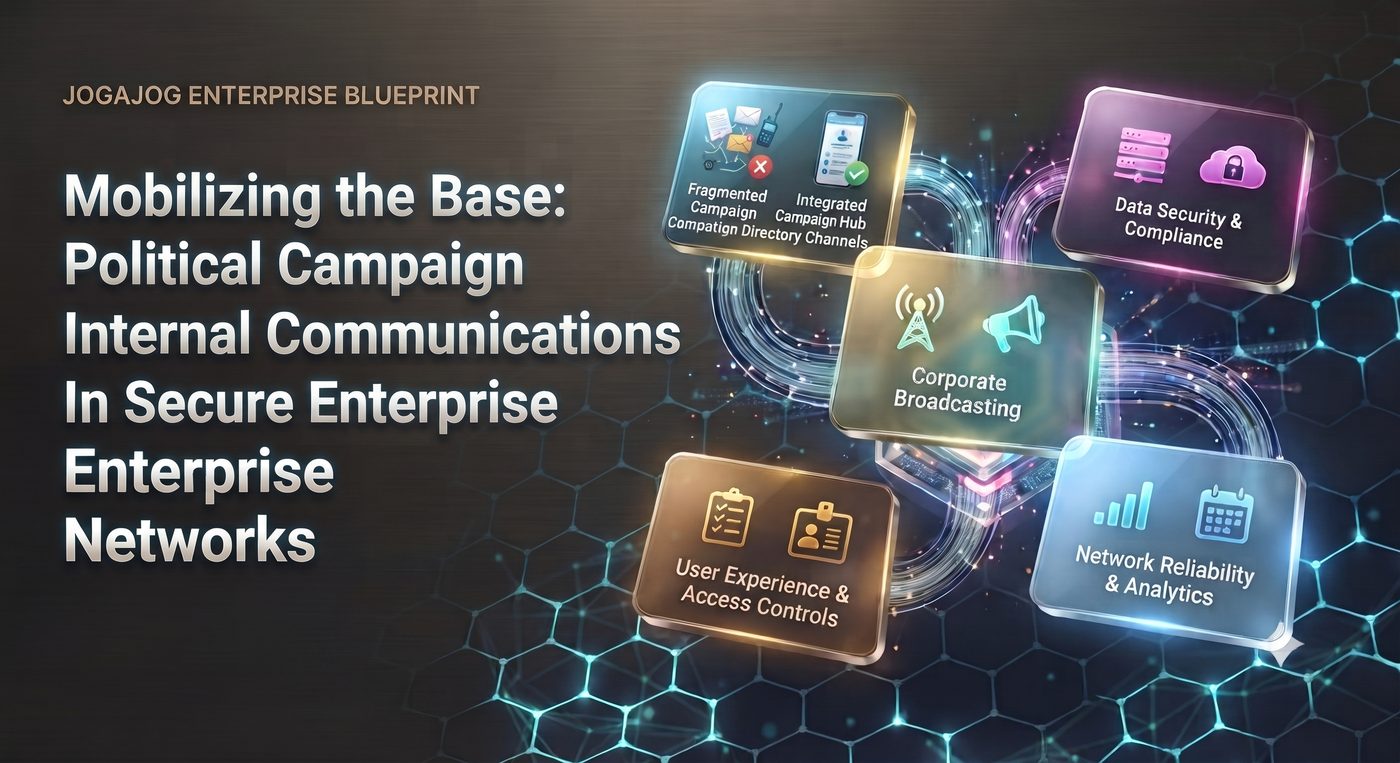
In the high-stakes, fast-paced environment of modern political campaigns, advocacy groups, and electoral committees—such as coordinating campaign managers, field directors, communications strategists, and volunteer coordinators across regional offices in Dhaka, divisional hubs, and local constituencies—maintaining secure and instantaneous communication is vital for campaign success. When political campaigns rely on fragmented consumer messaging apps, unmonitored group chats, or unencrypted personal contact lists to coordinate strategy, field operations, and press releases, it exposes them to critical data leaks, strategic espionage, and compromised voter privacy. The definitive key to elevating campaign responsiveness and data security is implementing structured political campaign internal communications within a unified enterprise communication network.
The Challenge
How can campaign directors, communications leads, and logistics managers design and deploy a centralized, mobile-accessible directory and communication framework that connects multi-tiered campaign teams instantly while protecting sensitive voter targeting data, internal strategy memos, and donor registries from unauthorized interception?
The Problem with Fragmented Campaign Tools and Public Messaging Apps
Attempting to manage complex political campaigns using consumer messaging tools or legacy static files introduces critical vulnerabilities:
* Strategic Leaks and Security Breaches: Storing confidential polling data, campaign strategy notes, and donor lists on unsecured public platforms leads to severe information leaks and competitive disadvantages.
* Communication Silos and Operational Delays: When field teams, media liaisons, and volunteers use disconnected communication channels, critical schedule updates, rapid-response talking points, and rally logistics fail to reach the right personnel instantly.
* Lack of Centralized Administrative Oversight: Without unified control over campaign communication channels, leadership cannot audit data access, verify personnel credentials, or instantly revoke system permissions when campaign staff or volunteers rotate out.
The Solution: Centralized Campaign Directories and Encrypted Collaboration Hubs
Transitioning to an advanced, enterprise-grade communication and directory platform—like Jogajog—replaces campaign friction with a secure, highly organized operational ecosystem. By centralizing political campaign internal communications, enterprises ensure:
* Searchable Multi-Tiered Campaign Directories: Enable campaign managers to search, verify, and connect with specific regional coordinators, media spokespersons, and logistics leads instantly via a secure mobile directory.
* Encrypted Rapid-Response Channels: Establish isolated, end-to-end encrypted communication spaces for executive strategy teams, rapid-response PR units, and field mobilization groups, ensuring all sensitive discussions remain strictly confidential.
* Granular Role-Based Access Controls (RBAC): Grant staff, volunteers, and external consultants access only to the directory listings, document repositories, and communication channels relevant to their specific campaign assignment and clearance level.
Frequently Asked Questions
Q: How do secure enterprise platforms protect sensitive voter databases and internal campaign strategies from external interception?
A: Modern enterprise platforms utilize end-to-end encryption, strict role-based access controls (RBAC), and secure data partitioning, ensuring that confidential voter analytics, polling data, and strategic roadmaps are only accessible to authorized campaign personnel.
Q: Can campaign managers grant temporary directory access to visiting volunteers, coalition partners, or short-term media consultants?
A: Yes. Administrators can provision sandboxed, temporary guest accounts with restricted permissions, allowing external contributors to collaborate on specific outreach channels while keeping the core enterprise campaign database completely secure.