
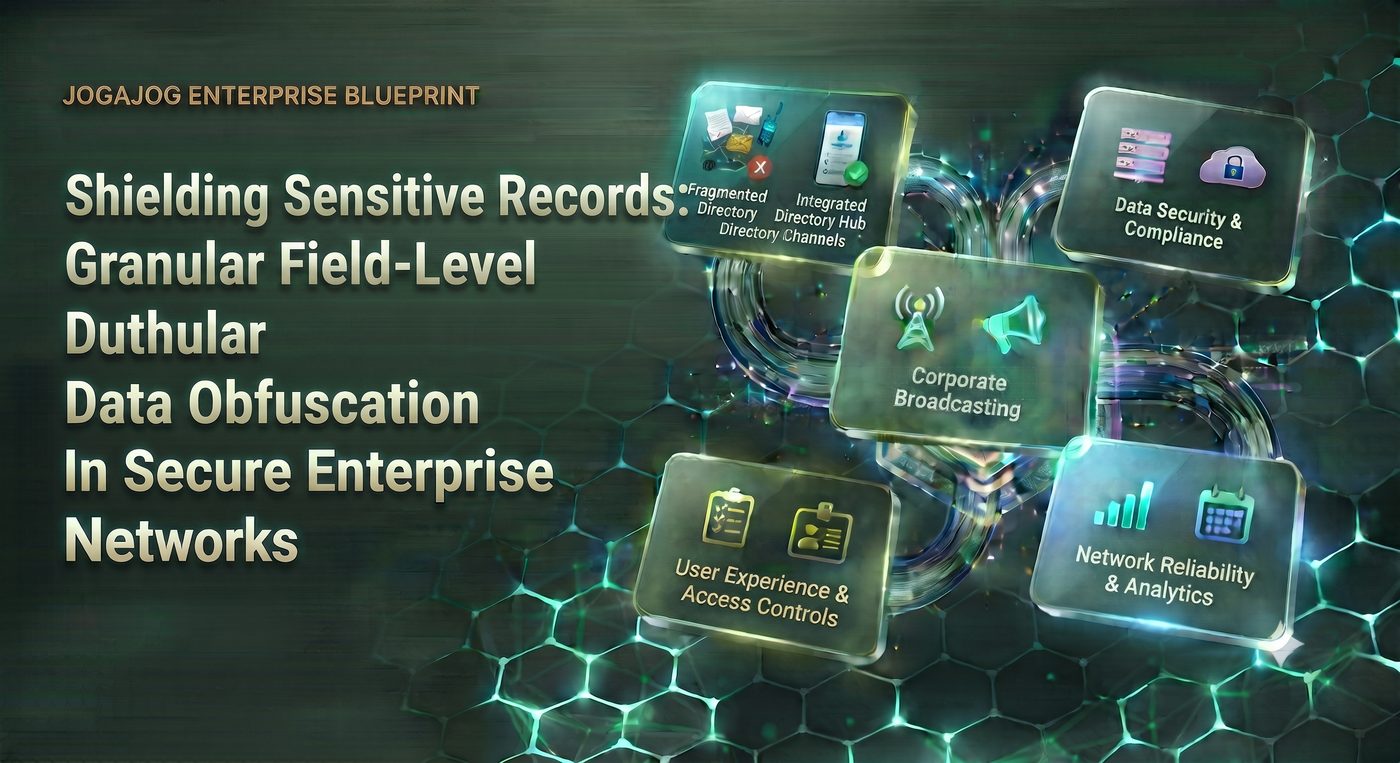
In the high-security and regulatory-driven environment of modern enterprises, financial institutions, and government agencies—such as coordinating compliance officers, database administrators, IT security leads, and executive supervisors across regional headquarters in Dhaka, commercial centers, and international branches—maintaining absolute control over sensitive data fields is vital for corporate governance and legal protection. When organizations rely on broad, all-or-nothing access permissions or unmasked database views that expose critical personal identifiers, financial data, and private contact details to unauthorized personnel, it results in severe regulatory violations, insider threats, and catastrophic data leaks. The definitive key to elevating data protection and enforcing compliance mandates is implementing structured granular field-level data obfuscation within a unified enterprise communication network.
The Challenge
How can enterprise chief information security officers (CISOs), database administrators, and compliance directors design and deploy a centralized, mobile-accessible directory and communication framework that hides or masks specific sensitive fields dynamically while keeping the rest of the operational directory fully functional and accessible?
The Problem with Broad Access Permissions and Unmasked Data Fields
Attempting to manage enterprise information security using legacy tools or unsegmented database controls introduces critical vulnerabilities:
* Regulatory Non-Compliance and Privacy Breaches: Exposing unmasked personal data, salaries, or private identity markers to unauthorized staff violates stringent data privacy laws and industry regulations.
* Insider Threats and Data Harvesting: Giving broad internal visibility into complete user profiles allows malicious actors or negligent employees to harvest sensitive company records.
* Lack of Granular Administrative Control: Without precise field-level restrictions, security teams cannot fine-tune visibility based on specific clearance levels, leading to unnecessary exposure of confidential information.
The Solution: Centralized Field-Level Obfuscation and Encrypted Collaboration Hubs
Transitioning to an advanced, enterprise-grade communication and directory platform—like Jogajog—replaces broad security vulnerabilities with a secure, highly controlled, and privacy-compliant ecosystem. By centralizing granular field-level data obfuscation, enterprises ensure:
* Dynamic Field-Level Masking: Enable administrators to automatically obscure specific user profile fields—such as direct phone numbers, personal emails, or compensation data—for unauthorized viewers while displaying them properly to verified managers.
* Encrypted Enterprise Communication Channels: Establish isolated, end-to-end encrypted messaging and collaboration spaces for compliance teams and executive boards, ensuring all sensitive administrative discussions remain fully protected.
* Granular Role-Based Access Controls (RBAC): Grant staff, department leads, and external partners access only to the exact data fields and directory views relevant to their specific clearance level and organizational role.
Frequently Asked Questions
Q: How do secure enterprise platforms protect sensitive individual data fields without disrupting everyday internal communication and workflow efficiency?
A: Modern enterprise platforms utilize automated field-level obfuscation and dynamic role-based access controls (RBAC), ensuring that sensitive data points like private numbers or identification numbers are masked on-the-fly for unauthorized users while remaining completely accessible to approved supervisors through secure internal channels.
Q: Can enterprise administrators customize obfuscation rules for different departments, such as hiding financial identifiers from general staff while keeping them visible to accounting?
A: Yes. Administrators can configure precise, field-specific visibility rules via a centralized management console, ensuring that data such as salary records or personal metadata are restricted exclusively to authorized financial and management personnel.