
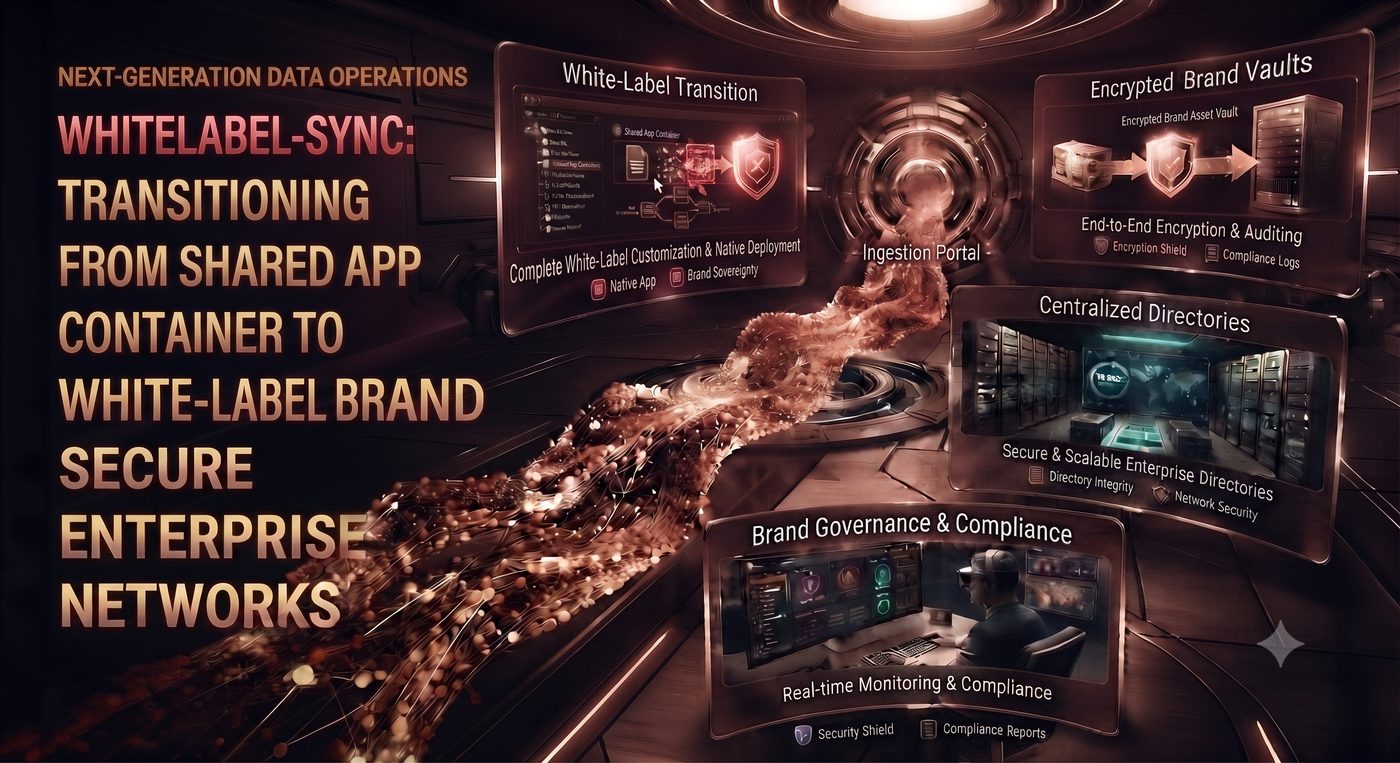
In the high-growth and brand-conscious operating environment of modern multinational corporations, expanding enterprises, and digital organizations—such as coordinating chief executive officers, chief marketing officers, IT infrastructure leads, and brand strategy directors across regional headquarters in Dhaka, global corporate offices, and distributed deployment hubs—transitioning from a shared third-party application container to a fully customized white-label brand ecosystem is vital for securing market differentiation, building absolute client trust, and scaling enterprise value. When organizations rely on shared multi-tenant application containers that display external vendor branding, it results in fragmented client experiences, diluted brand authority, and compromised enterprise positioning. The definitive key to elevating corporate identity assurance and scaling market presence is executing a seamless white-label brand transition within a secure enterprise communication network.
The Challenge
How can enterprise IT architects, brand directors, and system administrators design and deploy a centralized, high-security white-label framework that strips away third-party container branding and replaces it with proprietary logos, custom domains, and native application assets across all global endpoints without introducing security vulnerabilities or operational downtime?
The Problem with Shared App Containers and Vendor Branding
Attempting to manage corporate communication and client interactions using generic, shared multi-tenant containers introduces critical business vulnerabilities:
* Diluted Brand Authority and Fragmented Client Experience: Forcing clients and employees to log into shared application containers bearing external vendor logos destroys brand exclusivity and creates professional confusion.
* Severe Security and Data Isolation Risks: Multi-tenant shared containers expose organizations to cross-tenant data bleed, noisy neighbor performance issues, and complex compliance hurdles that threaten enterprise security.
* High Administrative Friction and Integration Hurdles: Managing custom configurations, notifications, and client portals within the rigid constraints of a shared container wastes valuable engineering hours and stalls digital growth.
The Solution: Proprietary White-Label Ecosystems and Encrypted Security Vaults
Transitioning to an advanced, enterprise-grade communication and directory platform—like Jogajog—replaces shared container constraints with a fully customized, securely isolated, and brand-owned ecosystem. By transitioning from a shared app container to a white-label brand, enterprises ensure:
* Complete White-Label Customization and Native Deployment: Enable fully branded mobile and desktop applications featuring proprietary logos, custom color palettes, custom domains, and native app store deployment tailored exclusively to corporate brand guidelines.
* Encrypted Enterprise Brand Vaults: Establish secure, end-to-end encrypted asset repositories and immutable configuration logs exclusively for authorized brand managers and IT security leads, protecting all proprietary design elements and brand metadata.
* Granular Role-Based Access Controls (RBAC): Grant chief marketing officers, brand directors, and system administrators access only to the white-label configuration dashboards, styling tools, and publishing privileges authorized under strict corporate governance guidelines.
Frequently Asked Questions
Q: Why do shared app containers fail to support growing enterprise brands?
A: Multi-tenant shared containers force organizations to rely on external vendor branding, leading to diluted market authority, cross-tenant security risks, and rigid customization limits that hinder digital growth.
Q: How do secure enterprise platforms streamline the transition to a white-label brand?
A: Modern enterprise platforms provide comprehensive white-label frameworks integrated with proprietary app customization, secure isolated data vaults, and strict role-based access controls. This ensures organizations can establish absolute brand sovereignty while maintaining complete protection over enterprise data networks.