Auth-Sync: Secure Staff Authentication & Onboarding in Secure Enterprise Networks
July 28, 2026 · Jogajog team · 3 min read

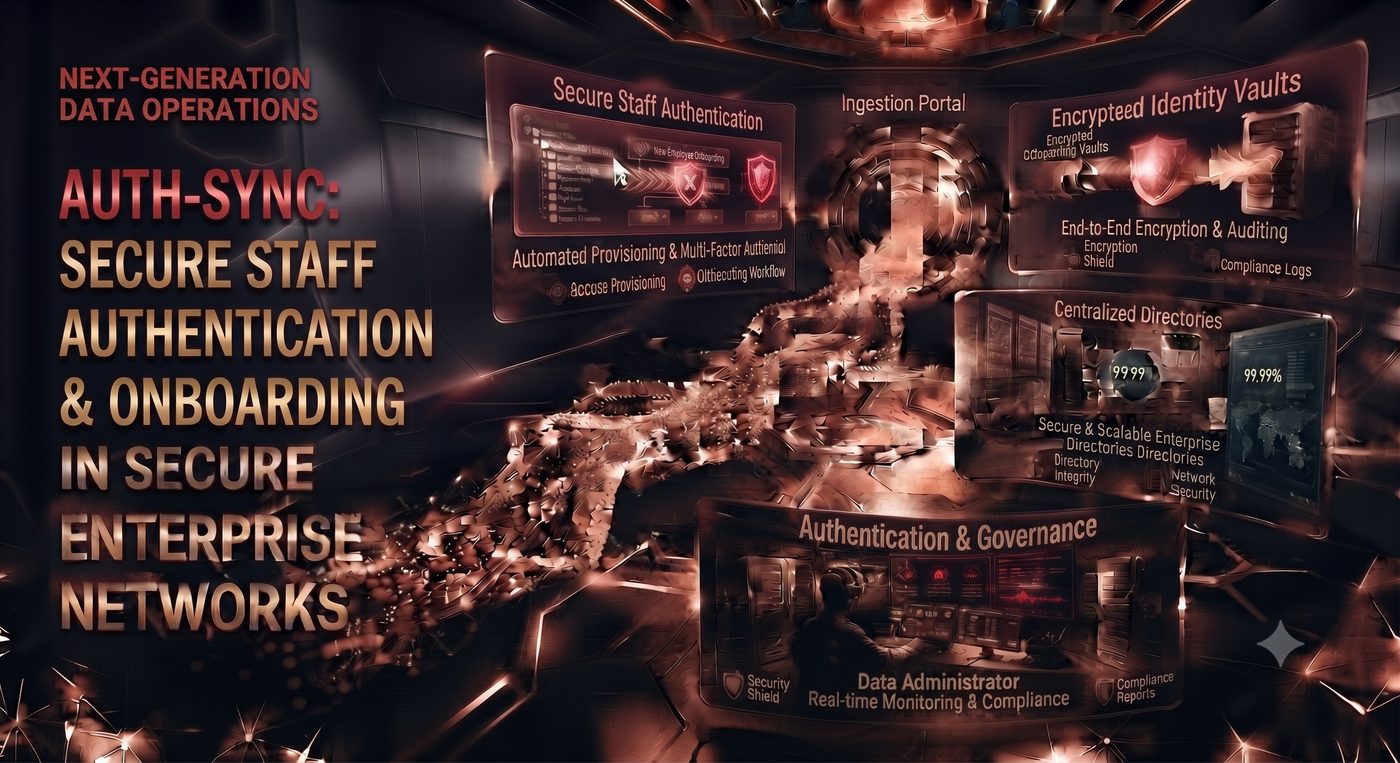
In the fast-evolving and security-critical operating environment of modern multinational corporations, expanding enterprises, and digital organizations—such as coordinating chief information security officers, human resources directors, IT infrastructure leads, and compliance managers across regional headquarters in Dhaka, global corporate offices, and distributed deployment hubs—establishing frictionless yet ironclad staff authentication and onboarding is vital for protecting organizational perimeters and accelerating workforce productivity. When organizations rely on manual password management, unverified onboarding links, or insecure authentication protocols to integrate new personnel, it results in severe security vulnerabilities, high identity theft risks, and operational delays. The definitive key to elevating enterprise security and ensuring absolute identity assurance is implementing secure staff authentication and onboarding within a secure enterprise communication network.
The Challenge
How can enterprise IT architects, security officers, and system administrators design and deploy a centralized, high-security identity management framework that automates secure staff onboarding and enforces multi-factor authentication (MFA) across all endpoints without introducing administrative friction or compromising user experience?
The Problem with Manual Onboarding and Weak Authentication
Attempting to manage employee onboarding and access credentials using outdated or uncoordinated methods introduces critical vulnerabilities:
* Severe Security Vulnerabilities and Account Takeovers: Relying on static passwords and unverified communication channels leaves new accounts completely exposed to credential stuffing, phishing, and unauthorized access.
* High Administrative Friction and Onboarding Delays: Managing identity provisioning manually across disjointed software platforms forces IT and HR teams to waste valuable hours setting up credentials, creating massive operational backlogs.
* Lack of Centralized Identity Governance: Fragmented directory tracking leads to orphaned accounts and inconsistent privilege levels, severely compromising enterprise security posture from day one.
The Solution: Automated Provisioning and Encrypted Identity Vaults
Transitioning to an advanced, enterprise-grade communication and directory platform—like Jogajog—replaces onboarding chaos with a streamlined, strictly governed, and secure ecosystem. By optimizing secure staff authentication and onboarding, enterprises ensure:
* Automated Identity Provisioning and Multi-Factor Authentication (MFA): Enable seamless, secure onboarding workflows featuring mandatory multi-factor authentication, cryptographic hardware token integration, and instant role-based credential generation.
* Encrypted Enterprise Identity Vaults: Establish secure, end-to-end encrypted credential repositories and immutable audit logs exclusively for authorized IT and security personnel, protecting all user identity data.
* Granular Role-Based Access Controls (RBAC): Grant system administrators, HR managers, and security leads access only to the onboarding dashboards, identity provisioning tools, and authentication policies authorized under strict corporate governance guidelines.
Frequently Asked Questions
Q: Why do traditional onboarding methods fail to secure modern enterprise networks?
A: Manual provisioning processes and static password policies lack automated multi-factor authentication, encrypted credential storage, centralized identity tracking, and enterprise-grade security controls, creating severe vulnerabilities for growing organizations.
Q: How do secure enterprise platforms streamline staff authentication and onboarding?
A: Modern enterprise platforms provide automated identity provisioning frameworks integrated with mandatory multi-factor authentication, encrypted credential vaults, and strict role-based access controls. This ensures organizations can welcome new personnel securely while maintaining absolute protection over enterprise data networks.
See this feature with your own data.
Free branded demo, built from your spreadsheet, this week.
Get your free demo