Co-Sync: Architect & Engineer Co-consulting in Secure Enterprise Networks
July 28, 2026 · Jogajog team · 3 min read

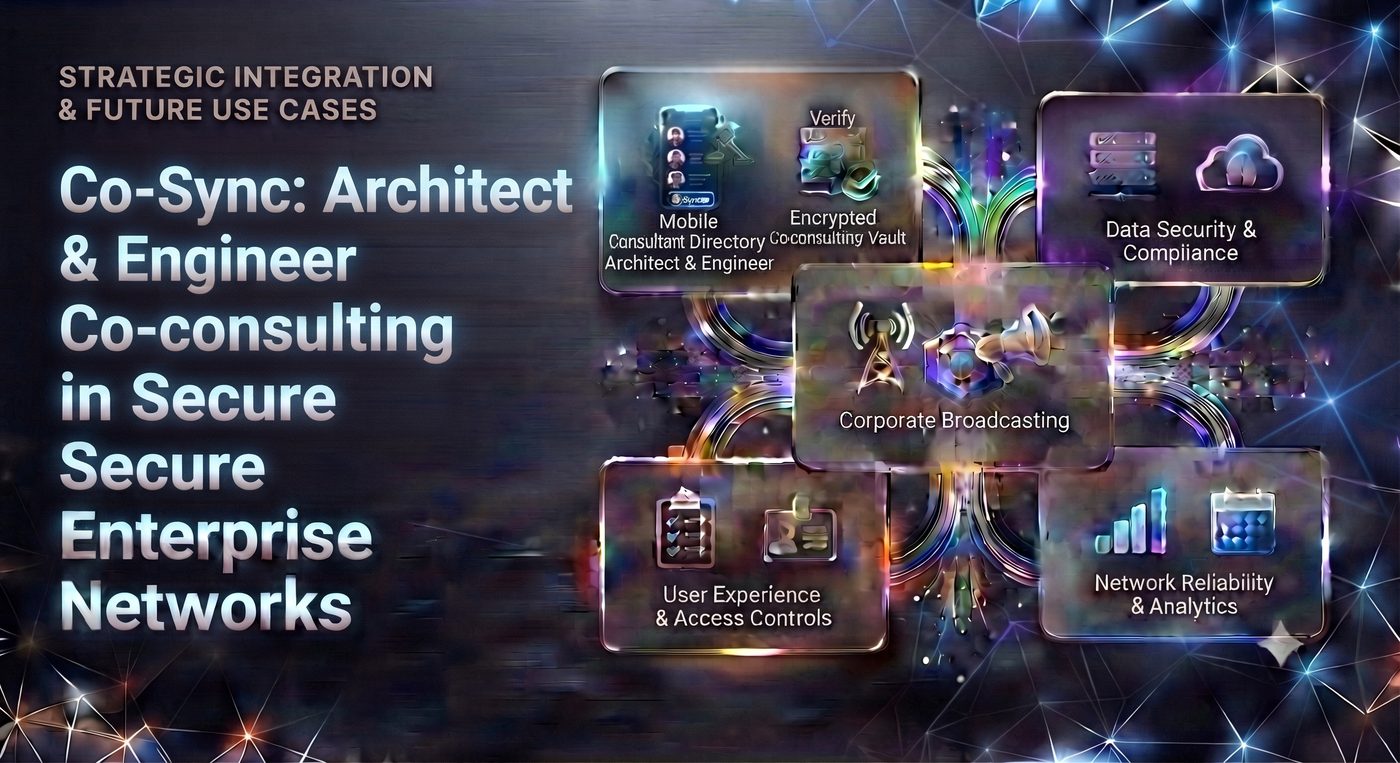
In the collaborative and multi-disciplinary operating environment of modern real estate development, large-scale architectural design firms, and regional engineering networks—such as coordinating principal architects, structural engineers, MEP consultants, and project directors across regional headquarters in Dhaka, commercial hubs, and international offices—maintaining synchronized, real-time communication between design and engineering teams is vital for project accuracy and structural integrity. When organizations rely on fragmented email threads, unverified file-sharing tools, or unencrypted consumer messaging apps to manage complex blueprints, cross-discipline design revisions, and technical consultations, it results in critical communication disconnects, severe compliance errors, and compromised building safety. The definitive key to elevating interdisciplinary collaboration and protecting proprietary project designs is implementing structured architect and engineer co-consulting workflows within a unified enterprise communication network.
The Challenge
How can enterprise architectural firms, engineering consultancies, and IT architects design and deploy a centralized, mobile-accessible directory and communication framework that safely manages cross-functional co-consulting sessions without exposing proprietary blueprints or breaching industry security standards?
The Problem with Fragmented Emails and Uncontrolled Messaging
Attempting to manage architect and engineer co-consulting using outdated or uncoordinated methods introduces critical vulnerabilities:
* Severe Security and Intellectual Property Risks: Relying on unencrypted consumer chat apps or personal email exposes sensitive CAD files, structural calculations, and proprietary design revisions to data breaches and industrial espionage.
* Lack of Institutional Oversight and Version Control: Consumer messaging apps provide zero administrative audit trails or secure document logging, leaving project leads unable to verify which engineering team approved specific structural modifications.
* High Administrative Friction: Managing multi-firm consultant rosters, design iterations, and review schedules manually across siloed software systems drains project resources and causes costly construction delays.
The Solution: Centralized Consultant Directories and Encrypted Collaboration Vaults
Transitioning to an advanced, enterprise-grade communication and directory platform—like Jogajog—replaces multi-firm disarray with a synchronized, protected, and secure ecosystem. By optimizing architect and engineer co-consulting, enterprises ensure:
* Centralized and Verified Mobile Consultant Directories: Enable secure, searchable mobile access to verified architect profiles, engineering specialist extensions, and firm directories, ensuring complete visibility only for authorized project collaborators.
* Encrypted Enterprise Co-consulting Vaults: Establish secure, end-to-end encrypted communication perimeters and dedicated technical channels exclusively for lead architects, structural engineers, and MEP consultants.
* Granular Role-Based Access Controls (RBAC): Grant design leads, principal engineers, and project managers access only to the directory fields, confidential design channels, and document archives authorized under strict corporate governance guidelines.
Frequently Asked Questions
Q: Why do traditional email threads and consumer apps fail to support architect and engineer co-consulting?
A: Consumer chat apps and standard emails lack end-to-end data encryption, version-controlled document integration, administrative audit trails, and role-based access controls, creating severe security and collaboration risks for multi-firm projects.
Q: How do secure enterprise platforms streamline architect and engineer co-consulting?
A: Modern enterprise platforms provide centralized, mobile-accessible directories integrated with encrypted collaboration vaults and strict role-based access controls. This ensures architects and engineers can co-consult seamlessly while maintaining absolute protection over proprietary designs and corporate networks.
See this feature with your own data.
Free branded demo, built from your spreadsheet, this week.
Get your free demo