Code Blue: Emergency Medical Group Broadcasts in Secure Enterprise Networks
July 28, 2026 · Jogajog team · 3 min read

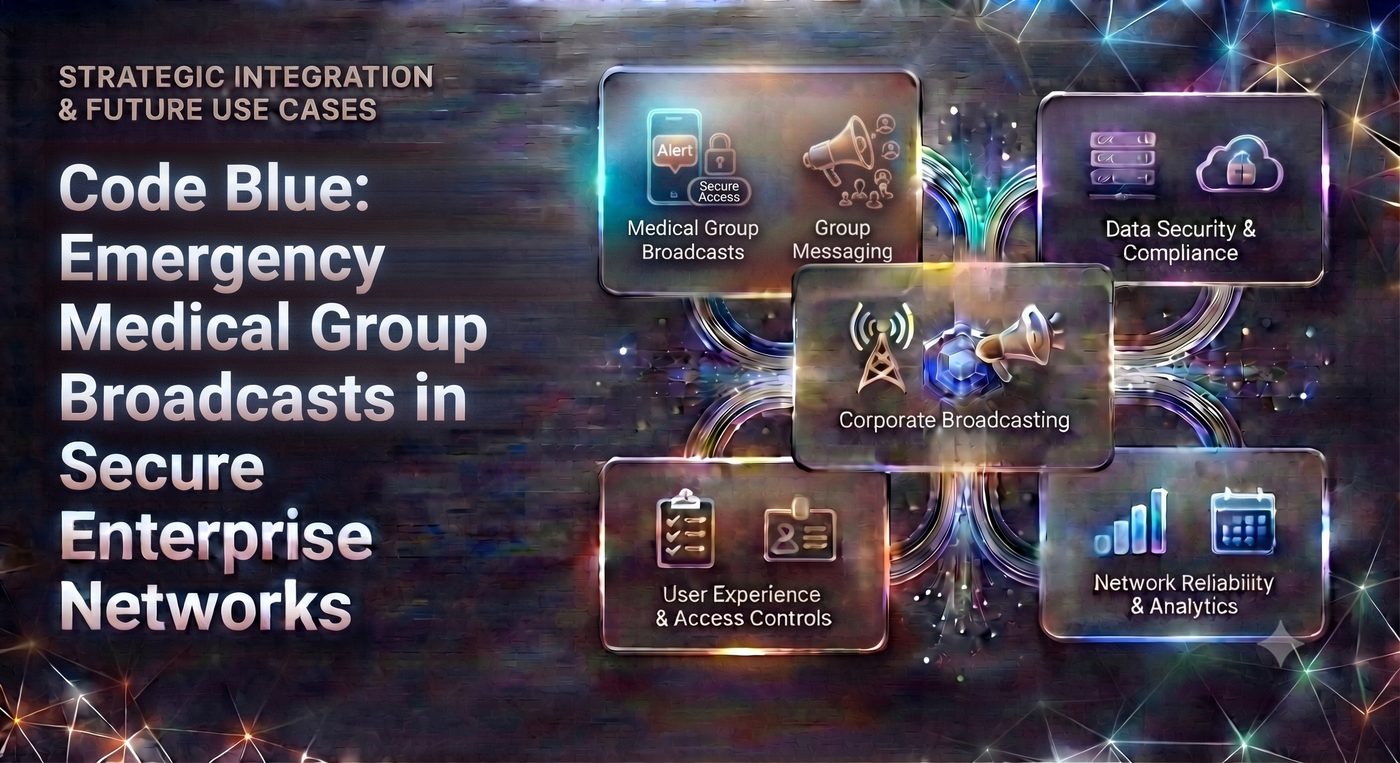
In the high-stakes and time-critical operating environment of modern medical centers, multi-branch hospitals, and regional healthcare networks—such as coordinating chief medical officers, emergency response directors, trauma team leads, and administrative heads across regional headquarters in Dhaka, commercial centers, and international branches—maintaining instantaneous and secure group communication is vital for life-saving patient care. When organizations rely on fragmented overhead paging, manual phone trees, or unverified consumer messaging apps to manage emergency code broadcasts, trauma team activations, or mass casualty incident responses, it results in catastrophic communication delays, severe patient safety risks, and compromised clinical outcomes. The definitive key to elevating healthcare emergency response and clinical coordination is implementing structured emergency medical group broadcasts within a unified enterprise communication network.
The Challenge
How can enterprise healthcare administrators, clinical directors, and IT architects design and deploy a centralized, mobile-accessible directory and communication framework that instantly activates and synchronizes specialized medical response teams across multiple departments and locations without compromising patient data privacy or system security?
The Problem with Overhead Paging and Disconnected Medical Messaging
Attempting to manage emergency medical broadcasts using outdated or uncoordinated methods introduces critical vulnerabilities:
* Catastrophic Communication Delays: Relying on manual phone trees or siloed departmental chat apps leaves critical response teams (e.g., Code Blue teams, stroke teams) unaware of emergencies during life-critical situations.
* Lack of Delivery and Acknowledgment Verification: Medical leaders have no reliable mechanism to track whether on-call specialists, surgeons, or nurses have received, read, and acknowledged emergency activation alerts.
* Security Risks with Uncontrolled Channels: Transmitting sensitive patient triage details, medical record numbers, or operational vulnerabilities through consumer messaging apps exposes healthcare data to severe privacy breaches and regulatory penalties (e.g., HIPAA).
The Solution: Instantaneous Broadcast Hubs and Encrypted Collaboration Vaults
Transitioning to an advanced, enterprise-grade communication and directory platform—like Jogajog—replaces communication chaos with a synchronized, high-priority, and secure ecosystem. By optimizing emergency medical group broadcasts, enterprises ensure:
* Instant Mobile Emergency Group Feeds: Enable lightning-fast, high-priority push notifications that deliver critical alerts, patient details, and location directives directly to the mobile devices of specialized medical response teams worldwide.
* Encrypted Enterprise Clinical Vaults: Establish secure, end-to-end encrypted communication perimeters and dedicated emergency command channels exclusively for trauma teams, resuscitation leads, and hospital administration.
* Granular Role-Based Access Controls (RBAC): Grant emergency room staff, clinical supervisors, and hospital directors immediate authority to trigger specific group broadcasts while restricting unauthorized access during sensitive incidents.
Frequently Asked Questions
Q: Why do traditional paging systems and consumer apps fail during critical hospital emergencies?
A: Overhead paging is often inaudible and non-specific, while consumer messaging apps lack priority routing, read-receipt tracking, and enterprise-grade security. This leads to severe delays and dangerous miscommunication during active emergencies.
Q: How do secure enterprise platforms streamline emergency medical group broadcasts?
A: Modern enterprise platforms provide instantaneous, priority-routed mobile broadcast feeds integrated with end-to-end encryption, role-based access controls, and automated acknowledgment tracking. This ensures specialized teams receive immediate activation orders while keeping patient data strictly protected.
See this feature with your own data.
Free branded demo, built from your spreadsheet, this week.
Get your free demo