Culture-Sync: Designing a Digital-First Corporate Culture in Bangladesh in Secure Enterprise Networks
July 28, 2026 · Jogajog team · 3 min read

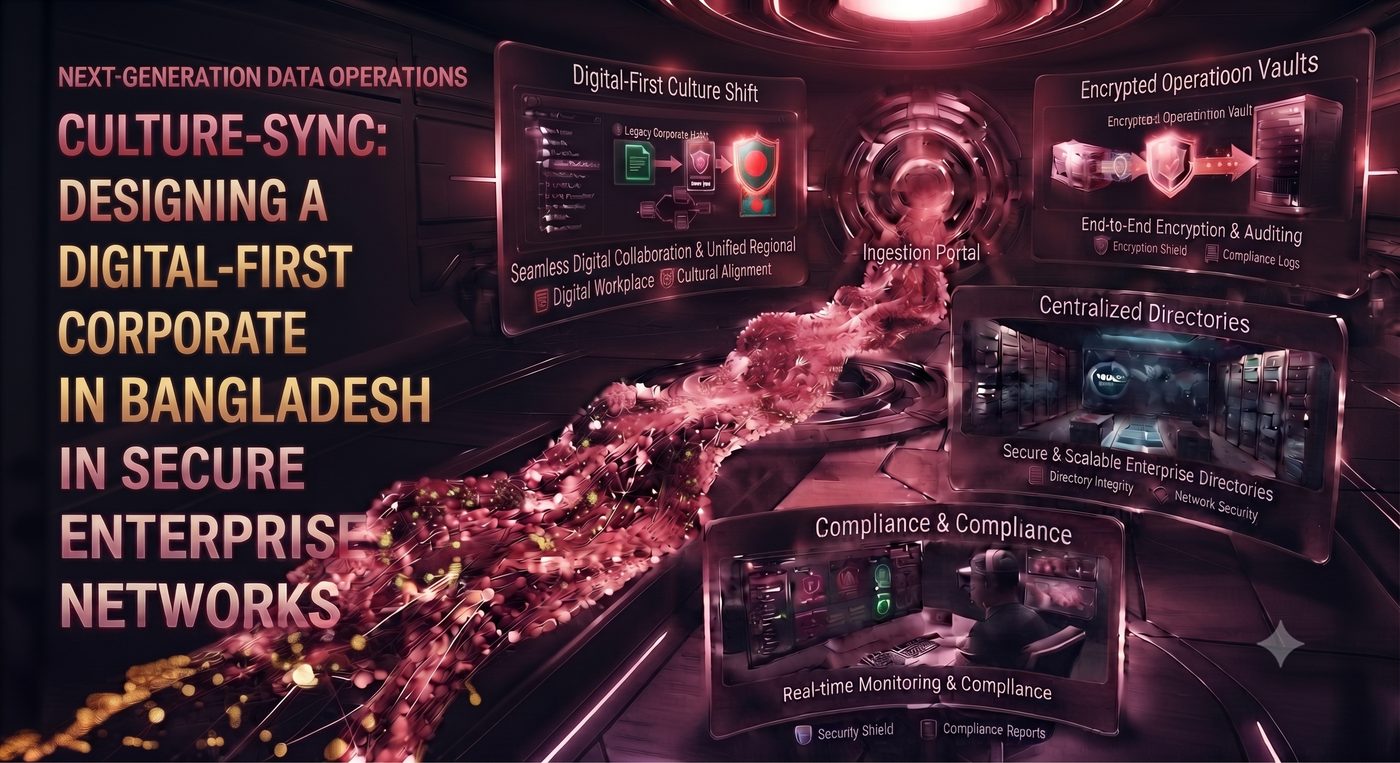
In the rapidly expanding and digitally transforming operating environment of modern enterprises, multinational corporations, and growing businesses across Bangladesh—such as coordinating chief executive officers, managing directors, human resources heads, and IT operations leads across corporate hubs in Dhaka, commercial centers in Chattogram, and distributed regional offices—designing a digital-first corporate culture is vital for driving national competitiveness, breaking down hierarchical communication barriers, and accelerating operational agility. When organizations rely on traditional, paper-bound administrative processes, manual coordination, and fragmented communication channels, it results in severe institutional friction, delayed decision-making, and a lagging competitive edge in a fast-paced digital economy. The definitive key to elevating enterprise modernization and ensuring absolute workforce alignment is building a thriving digital-first corporate culture within a secure enterprise communication network.
The Challenge
How can enterprise leaders, HR directors, and IT architects in Bangladesh design and deploy a centralized, high-security digital framework that seamlessly shifts corporate mindsets from legacy paper-based habits to modern, cloud-synchronized workflows across the entire regional and global enterprise network without compromising security or cultural context?
The Problem with Legacy Corporate Habits and Paper-Bound Workflows
Attempting to build modern business momentum using outdated, traditional methodologies introduces critical operational vulnerabilities:
* Deep-Rooted Bureaucratic Friction and Slow Execution: Heavy reliance on physical sign-offs, manual memos, and traditional hierarchical communication channels creates massive bottlenecks that stall daily business operations.
* Severe Communication Silos and Disconnected Teams: Traditional office structures often isolate regional branches (such as offices in Dhaka and Chattogram) from corporate headquarters, preventing cohesive teamwork and unified strategy execution.
* Resistance to Technological Change and Low Digital Engagement: Without intuitive tools and structured cultural leadership, employees struggle to adapt to modern software, leading to fragmented adoption and continued reliance on unsecure consumer chat apps.
The Solution: Centralized Digital Ecosystems and Encrypted Security Vaults
Transitioning to an advanced, enterprise-grade communication and directory platform—like Jogajog—replaces legacy administrative friction with a unified, transparent, and secure ecosystem. By designing a digital-first corporate culture in Bangladesh, enterprises ensure:
* Seamless Digital Collaboration and Unified Regional Syncing: Enable real-time, cloud-synchronized communication channels, centralized employee directories, and transparent digital workflows that connect teams instantly across Dhaka, regional hubs, and global partners.
* Encrypted Enterprise Cultural and Operational Vaults: Establish secure, end-to-end encrypted administrative repositories and immutable audit logs exclusively for authorized management and HR leaders, protecting all internal corporate policies and strategic communications.
* Granular Role-Based Access Controls (RBAC): Grant chief executive officers, HR directors, and operations managers access only to the digital governance dashboards, cultural initiative settings, and viewing privileges authorized under strict corporate compliance guidelines.
Frequently Asked Questions
Q: Why do traditional corporate cultures struggle to adapt in Bangladesh’s modern business landscape?
A: Heavy reliance on paper-based processes, rigid bureaucratic hierarchies, and fragmented communication tools create severe operational bottlenecks and prevent organizations from moving at the speed of modern digital markets.
Q: How do secure enterprise platforms support the transition to a digital-first culture?
A: Modern enterprise platforms provide centralized communication and directory frameworks integrated with real-time cloud syncing, encrypted administrative vaults, and strict role-based access controls. This ensures organizations can foster total digital transformation and transparency while maintaining absolute protection over enterprise data networks.
See this feature with your own data.
Free branded demo, built from your spreadsheet, this week.
Get your free demo