FieldSync-Geo: Location Sharing Protocols for Field Teams in Secure Enterprise Networks
July 28, 2026 · Jogajog team · 3 min read

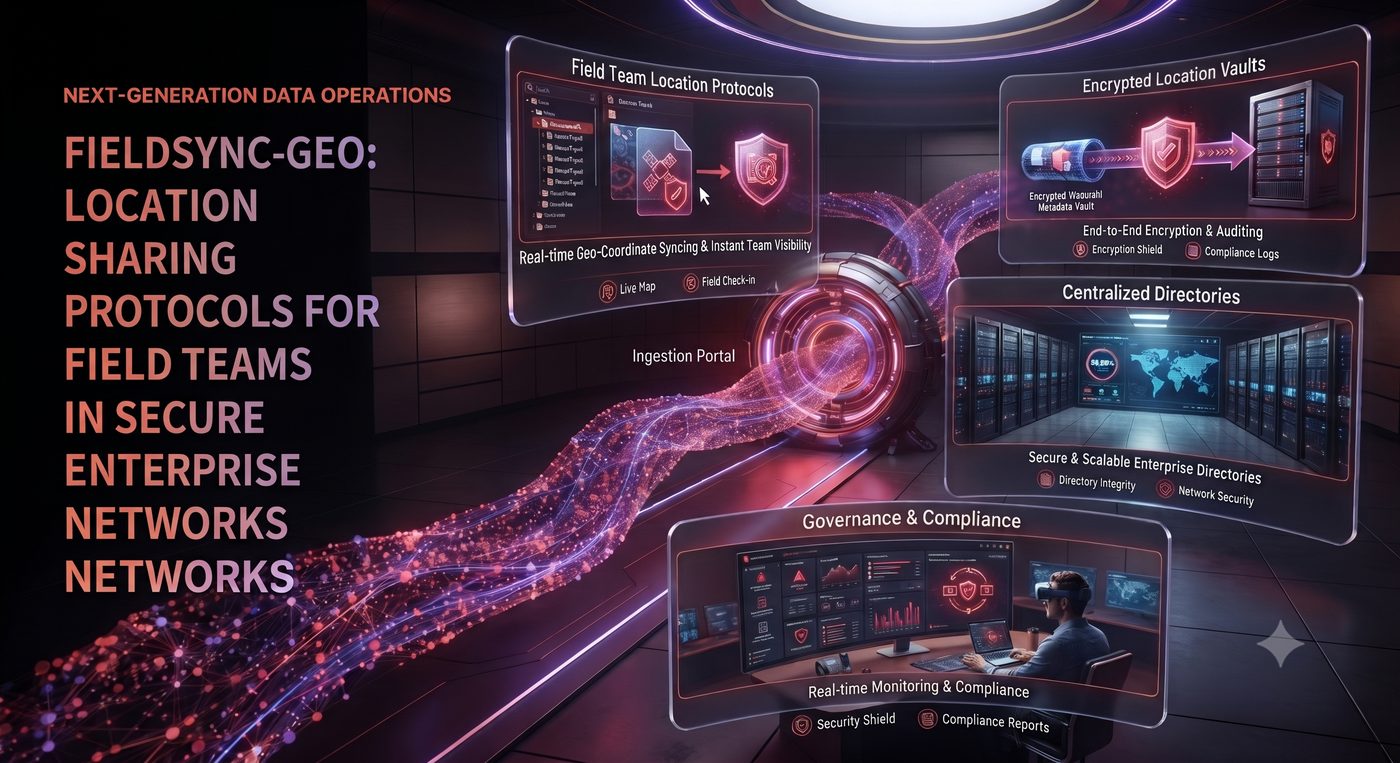
In the fast-moving and geographically distributed operating environment of modern multinational corporations, field operations directors, mobile logistics managers, and emergency response coordinators—such as coordinating chief operations officers, regional deployment leads, field service supervisors, and IT infrastructure managers across regional headquarters in Dhaka, global field stations, and remote deployment sites—implementing robust location sharing protocols for field teams is vital for optimizing real-time route planning, ensuring field personnel safety, and safeguarding institutional operational data. When organizations rely on unmanaged consumer chat apps, static text updates, or fragmented GPS tracking links to monitor field staff and mobile assets, it results in severe coordination blind spots, delayed response times, and compromised communication security. The definitive key to elevating field operational efficiency and ensuring absolute personnel safety is executing seamless location sharing protocols within a secure enterprise communication network.
The Challenge
How can enterprise IT architects, field operations directors, and system administrators design and deploy a centralized, high-speed tracking and communication framework that instantly syncs live geo-coordinates, secure field check-ins, and operational status updates across the entire global enterprise network without introducing security vulnerabilities or signal bottlenecks?
The Problem with Consumer GPS Apps and Manual Field Reporting
Attempting to manage distributed field teams using legacy or uncoordinated tracking tools introduces critical business vulnerabilities:
* Severe Coordination Blind Spots and Communication Delays: Relying on unencrypted consumer mapping apps or manual phone check-ins leads to outdated team locations, misdirected emergency responses, and fragmented operational oversight.
* High Security Risks and Proprietary Location Data Leakage: Exposing sensitive field deployment routes, executive movements, or confidential asset locations across unsecured third-party apps creates massive vulnerabilities for corporate espionage and data intercept.
* Lack of Centralized Oversight and Compliance Auditing: Inability to securely log historical field movements or enforce strict access controls makes it impossible for security teams to verify regulatory compliance or incident response protocols.
The Solution: Real-Time Geo-Syncing and Encrypted Security Vaults
Transitioning to an advanced, enterprise-grade communication and directory platform—like Jogajog—replaces field tracking chaos with a unified, high-speed, and secure ecosystem. By optimizing location sharing protocols for field teams, enterprises ensure:
* Real-Time Geo-Coordinate Syncing and Instant Team Visibility: Enable lightning-fast, high-accuracy location sharing and automated status broadcasts that keep field supervisors and headquarters instantly aligned with mobile personnel.
* Encrypted Enterprise Location Vaults: Establish secure, end-to-end encrypted geographic metadata repositories and immutable audit logs exclusively for authorized security leads and operations directors, protecting all sensitive field tracking records.
* Granular Role-Based Access Controls (RBAC): Grant field directors, emergency response supervisors, and system administrators access only to the location channels, team rosters, and viewing privileges authorized under strict corporate governance guidelines.
Frequently Asked Questions
Q: Why do traditional consumer tracking apps fail to support enterprise field teams securely?
A: Consumer mapping apps lack enterprise-grade encryption, expose confidential corporate routes to third-party servers, and fail to provide centralized administrative oversight or integration with secure team directories.
Q: How do secure enterprise platforms optimize location sharing protocols for field operations?
A: Modern enterprise platforms provide centralized directory frameworks integrated with real-time geo-syncing, encrypted administrative vaults, and strict role-based access controls. This ensures organizations can achieve flawless field coordination while maintaining absolute protection over enterprise data networks.
See this feature with your own data.
Free branded demo, built from your spreadsheet, this week.
Get your free demo