HybridSync-Directory: Managing Hybrid Work Ecosystems through Private Directories in Secure Enterprise Networks
July 28, 2026 · Jogajog team · 3 min read

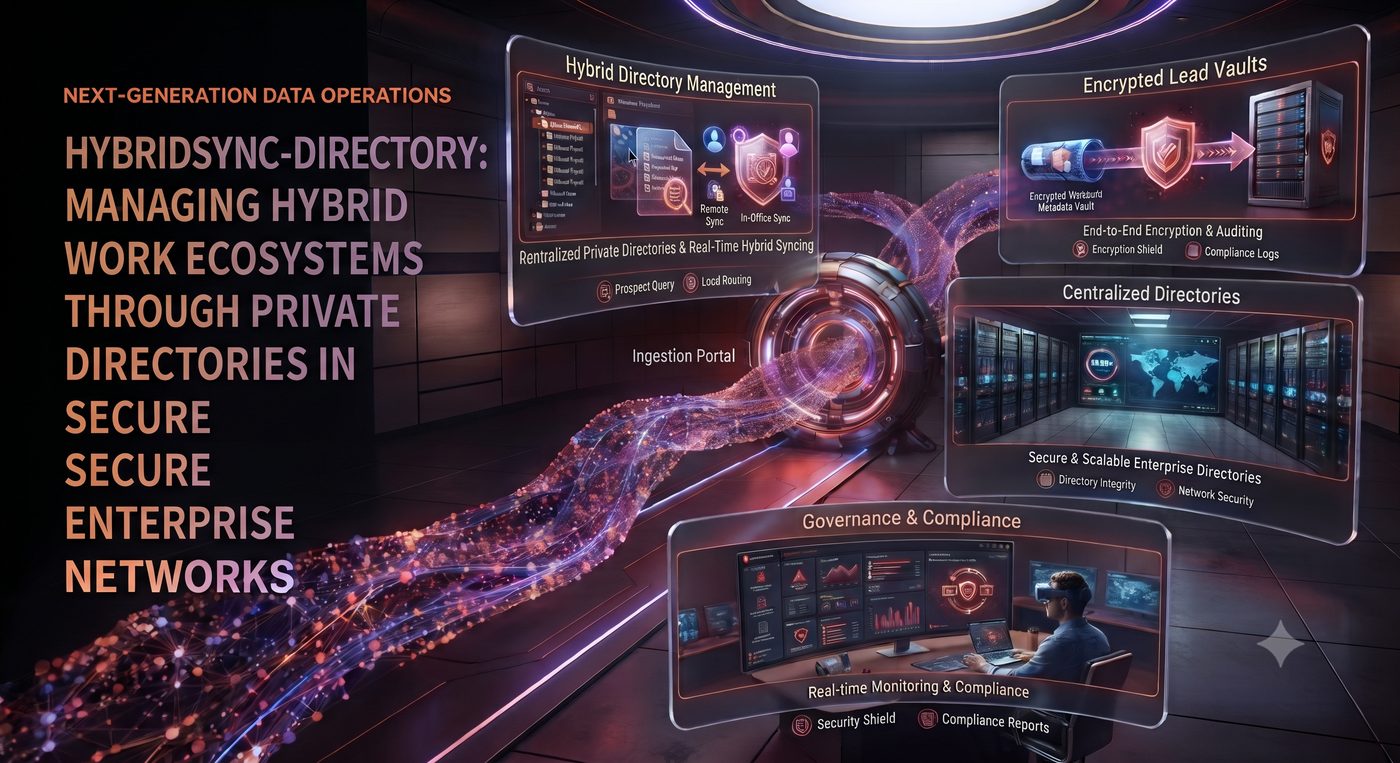
In the dynamic and decentralized operating environment of modern distributed enterprises, hybrid workplace coordinators, remote operations managers, and enterprise IT directors—such as coordinating chief information officers, regional human resources leads, workplace experience directors, and IT infrastructure managers across regional headquarters in Dhaka, global satellite offices, and home-based workstations—implementing robust hybrid work ecosystems through private directories is vital for optimizing cross-functional communication, streamlining resource accessibility, and safeguarding institutional workforce data. When organizations rely on unmanaged public directories, fragmented team chat groups, or unsecure employee databases to manage hybrid workforce nodes and remote communication channels, it results in severe operational silos, communication latency, and compromised data security. The definitive key to elevating enterprise hybrid efficiency and ensuring absolute directory alignment is executing seamless management of hybrid work ecosystems through private directories within a secure enterprise communication network.
The Challenge
How can enterprise IT architects, hybrid workplace directors, and system administrators design and deploy a centralized, high-speed directory framework that securely coordinates remote and in-office personnel, synchronizes team status updates, and manages access permissions across the entire global enterprise network without introducing security vulnerabilities or communication bottlenecks?
The Problem with Unmanaged Public Directories and Fragmented Communication Tools
Attempting to manage complex hybrid work environments using legacy or uncoordinated tools introduces critical business vulnerabilities:
* Severe Operational Silos and Communication Latency: Relying on decentralized contact lists or unmonitored messaging channels leads to misaligned schedules, delayed internal support, and fractured team collaboration.
* High Security Risks and Employee Data Vulnerabilities: Exposing sensitive staff contact directories, organizational hierarchies, or personal metadata across unsecured third-party applications creates massive vulnerabilities for data breaches and corporate espionage.
* Lack of Centralized Oversight and Access Control: Inability to dynamically update employee access permissions based on real-time location or employment status makes it impossible for security teams to maintain compliance across hybrid work zones.
The Solution: Centralized Private Directories and Encrypted Security Vaults
Transitioning to an advanced, enterprise-grade communication and directory platform—like Jogajog—replaces hybrid management chaos with a unified, high-speed, and secure ecosystem. By optimizing hybrid work ecosystems through private directories, enterprises ensure:
* Centralized Private Directories and Real-Time Hybrid Syncing: Enable lightning-fast, highly secure directory access and automated status updates that connect in-office and remote personnel instantly, eliminating communication friction.
* Encrypted Enterprise Directory Vaults: Establish secure, end-to-end encrypted employee metadata repositories and immutable access audit logs exclusively for authorized HR directors and security leads, protecting all sensitive workforce records.
* Granular Role-Based Access Controls (RBAC): Grant hybrid workplace managers, department heads, and system administrators access only to the team directories, communication channels, and viewing privileges authorized under strict corporate governance guidelines.
Frequently Asked Questions
Q: Why do traditional public directories fail to support modern hybrid work environments?
A: Unmanaged public directories and decentralized contact lists lack real-time synchronization, expose sensitive organizational data to unauthorized entities, and fail to provide the secure structure required for distributed teams.
Q: How do secure enterprise platforms optimize hybrid work management through private directories?
A: Modern enterprise platforms provide centralized private directory frameworks integrated with real-time status syncing, encrypted administrative vaults, and strict role-based access controls. This ensures organizations can achieve seamless hybrid collaboration while maintaining absolute protection over enterprise data networks.
See this feature with your own data.
Free branded demo, built from your spreadsheet, this week.
Get your free demo