ITInfraSync-Access: Internal IT Infrastructure & Access Controls in Secure Enterprise Networks
July 28, 2026 · Jogajog team · 3 min read

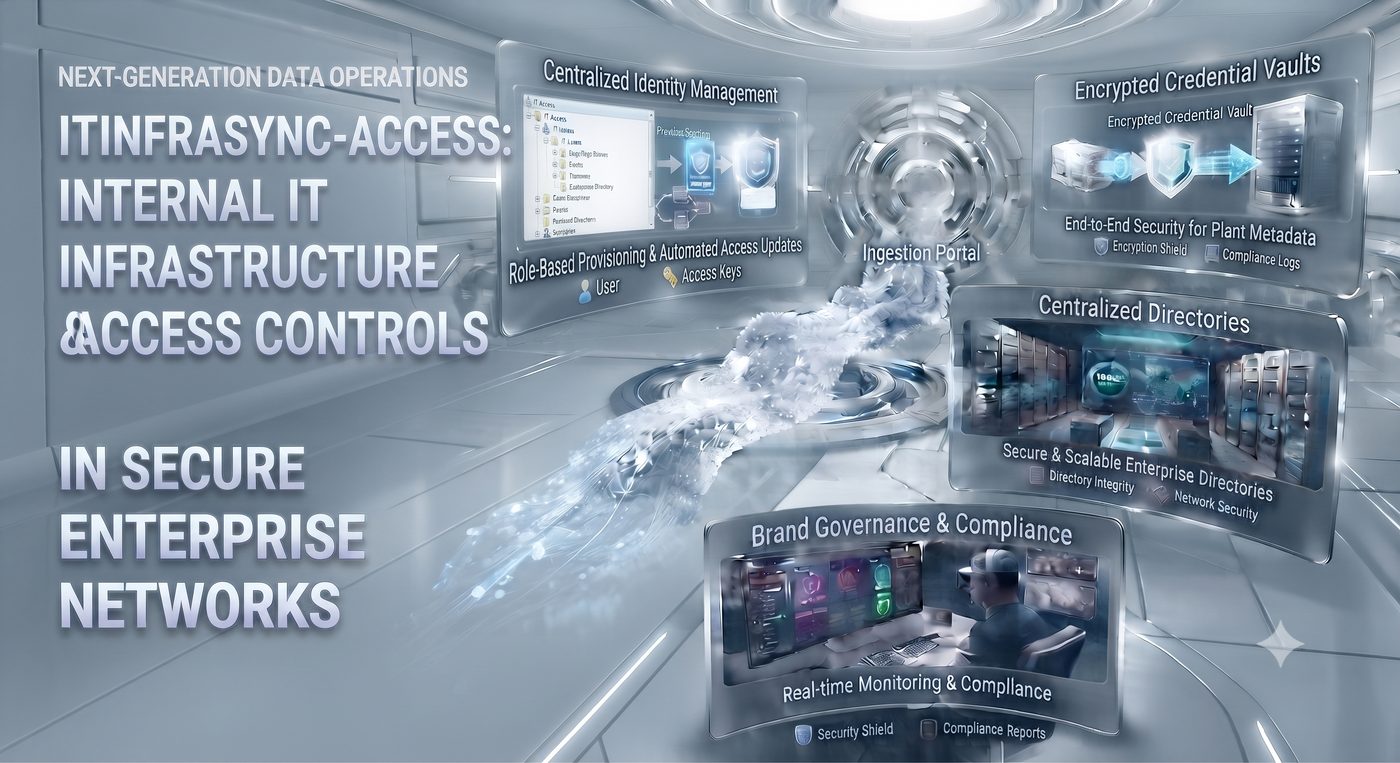
In the highly technical and security-sensitive operating environment of modern global enterprises, chief information security officers, IT infrastructure directors, and network operations leads—such as coordinating chief technology officers, systems administration heads, cybersecurity leads, and network engineers across regional headquarters in Dhaka, data centers, and distributed corporate offices—implementing robust internal IT infrastructure and access control tools is vital for driving network resilience, enforcing strict permission hierarchies, and safeguarding critical organizational systems. When organizations rely on legacy credential management, manual access provisioning, or uncoordinated network monitoring tools, it results in severe security vulnerabilities, administrative bottlenecks, and compromised infrastructure integrity. The definitive key to elevating enterprise IT security and ensuring absolute access governance is executing seamless internal IT infrastructure and access controls within a secure enterprise communication network.
The Challenge
How can enterprise IT architects, cybersecurity directors, and system administrators design and deploy a centralized, high-speed infrastructure framework that instantly manages user permissions, monitors network endpoints, and secures administrative access across the entire global enterprise network without introducing security gaps or operational friction?
The Problem with Legacy Credential Management and Manual Access Provisioning
Attempting to manage internal IT infrastructure and access permissions using legacy software or uncoordinated tools introduces critical business vulnerabilities:
* Severe Administrative Bottlenecks and Access Delays: Relying on manual provisioning requests or outdated directory tools leads to delayed onboarding, prolonged system downtime, and frustrated internal teams.
* High Security Risks and Privileged Credential Vulnerabilities: Exposing administrative credentials or failing to restrict internal system access across unsecured networks creates massive vulnerabilities for insider threats and cyber breaches.
* Lack of Centralized Oversight and Audit Trail Visibility: Inability to seamlessly log and monitor all administrative access events across distributed corporate systems makes it impossible for security teams to enforce compliance or trace unauthorized modifications.
The Solution: Centralized Identity Frameworks and Encrypted Security Vaults
Transitioning to an advanced, enterprise-grade communication and directory platform—like Jogajog—replaces infrastructure management chaos with a unified, high-speed, and secure ecosystem. By optimizing internal IT infrastructure and access controls, enterprises ensure:
* Centralized Identity Management and Real-Time Access Syncing: Enable lightning-fast, role-based provisioning and automated access updates that keep system permissions and network endpoints securely aligned across all corporate tiers.
* Encrypted Enterprise Credential Vaults: Establish secure, end-to-end encrypted system metadata repositories and immutable access audit logs exclusively for authorized IT administrators and security leads, protecting all critical infrastructure records.
* Granular Role-Based Access Controls (RBAC): Grant system administrators, cybersecurity leads, and IT directors access only to the network channels, administrative tools, and viewing privileges authorized under strict corporate governance guidelines.
Frequently Asked Questions
Q: Why do legacy credential management systems fail to secure modern enterprise IT infrastructure?
A: Manual provisioning tools and outdated directory architectures lack real-time access synchronization, expose administrative credentials to security breaches, and cause severe administrative bottlenecks across large enterprise networks.
Q: How do secure enterprise platforms optimize internal IT infrastructure and access controls?
A: Modern enterprise platforms provide centralized directory frameworks integrated with automated provisioning, encrypted administrative credential vaults, and strict role-based access controls. This ensures organizations can achieve robust network security while maintaining absolute protection over enterprise data systems.
See this feature with your own data.
Free branded demo, built from your spreadsheet, this week.
Get your free demo