Phone-Sync: Role-Based Telephone Privacy Access in Secure Enterprise Networks
July 28, 2026 · Jogajog team · 3 min read

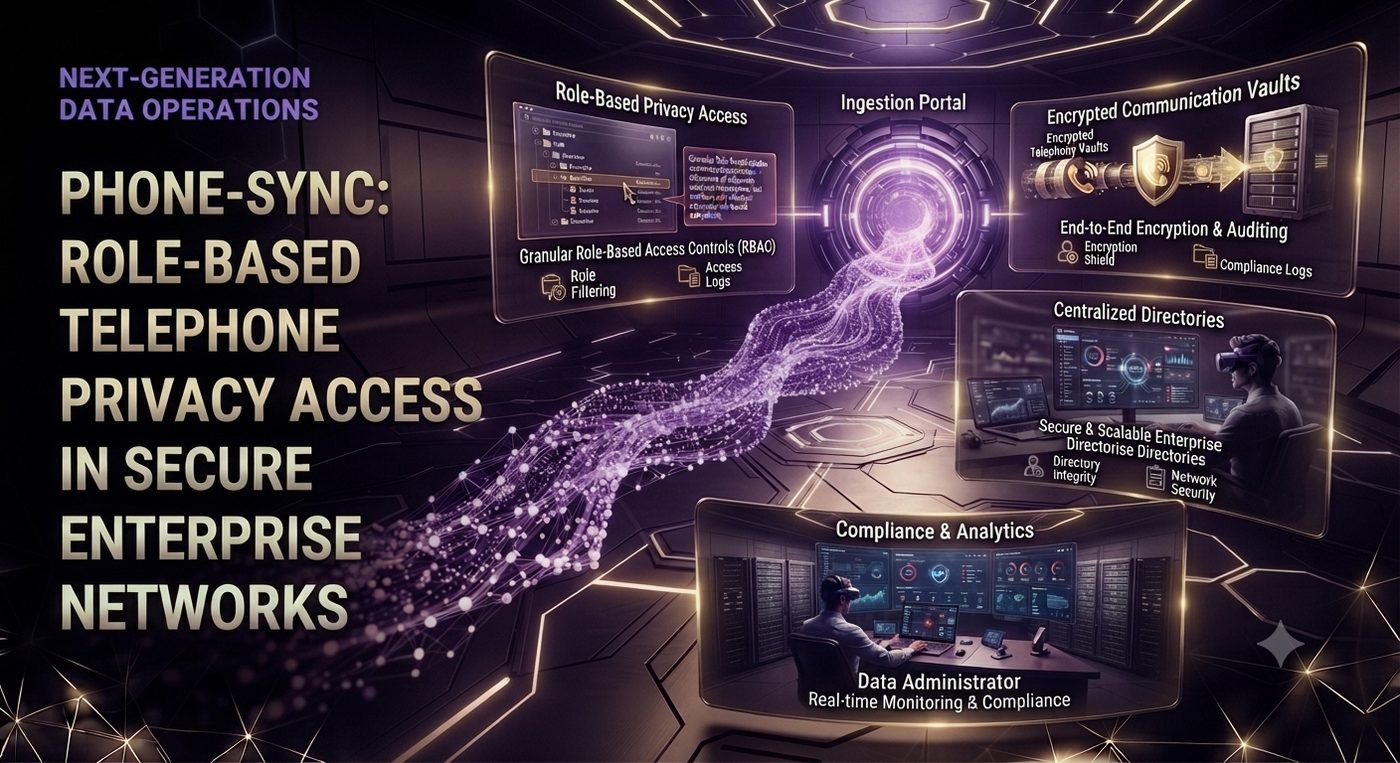
In the high-stakes and communication-intensive operating environment of modern multinational corporations, large-scale enterprises, and geographically distributed organizations—such as coordinating chief operating officers, global sales directors, executive assistants, and human resources managers across headquarters in Dhaka, regional sales offices, and international subsidiaries—maintaining secure, private, and regulated telephone access is vital for protecting confidential business discussions and personal employee data. When organizations rely on open-access PBX systems, unlisted personal contact spreadsheets, or consumer voice-over-IP apps to manage internal communication channels, it results in critical privacy breaches, severe data security risks, and compromised corporate governance. The definitive key to elevating enterprise communication security and ensuring absolute telephone privacy is implementing Role-Based Telephone Privacy Access (RB-TPA) within a unified enterprise communication network.
The Challenge
How can enterprise IT architects, CIOs, and security officers design and deploy a centralized, mobile-integrated telephone directory and communication framework that provides seamless internal dialing capabilities while strictly enforcing privacy rules to prevent unauthorized access to sensitive personal and executive contact information?
The Problem with Open Directories and Unsecured Communication
Attempting to manage enterprise telephone access using outdated or uncoordinated methods introduces critical vulnerabilities:
* Severe Privacy and Data Security Risks: Relying on public or unlisted contact spreadsheets exposes sensitive direct-dial numbers, home office lines, and personal mobile numbers to unauthorized access and potential cyber threats.
* Lack of Institutional Oversight and Call Logging: Consumer communication apps and legacy PBX systems provide zero administrative audit trails for restricted calls, leaving security leaders unable to monitor compliance or investigate data leaks.
* High Administrative Friction and Poor User Experience: Managing multi-tiered communication restrictions manually across siloed software systems frustrates employees and creates persistent data inconsistencies across the enterprise.
The Solution: Role-Based Access Controls (RBAC) and Encrypted Communication Vaults
Transitioning to an advanced, enterprise-grade communication and directory platform—like Jogajog—replaces communication chaos with a synchronized, protected, and intelligent ecosystem. By optimizing Role-Based Telephone Privacy Access (RB-TPA), enterprises ensure:
* Centralized and Verified Mobile Telephone Directories: Enable secure, searchable mobile access to verified internal corporate extensions and role-specific contact numbers, ensuring complete visibility only for authorized personnel.
* Encrypted Enterprise Communication Vaults: Establish secure, end-to-end encrypted communication perimeters and dedicated administrative consoles for managing and logging sensitive executive communications.
* Granular Role-Based Access Controls (RBAC): Grant employees, department heads, and executive staff access only to the telephone directory fields, call logs, and direct-dial features authorized under strict corporate governance guidelines.
Frequently Asked Questions
Q: Why do traditional telephone systems fail to support Role-Based Telephone Privacy Access?
A: Legacy PBX and consumer communication tools lack granular Role-Based Access Controls (RBAC), secure end-to-end encryption, centralized mobile directory integration, and formal administrative audit trails, creating significant security and privacy risks for large organizations.
Q: How do secure enterprise platforms streamline Role-Based Telephone Privacy Access?
A: Modern enterprise platforms provide centralized, mobile-accessible directories integrated with encrypted communication vaults and strict role-based access controls. This ensures employees can communicate efficiently while maintaining absolute protection over sensitive personal and executive contact information.
See this feature with your own data.
Free branded demo, built from your spreadsheet, this week.
Get your free demo