Privacy-Sync: GDPR & Local Data Protection Act Compliance in Secure Enterprise Networks
July 28, 2026 · Jogajog team · 3 min read

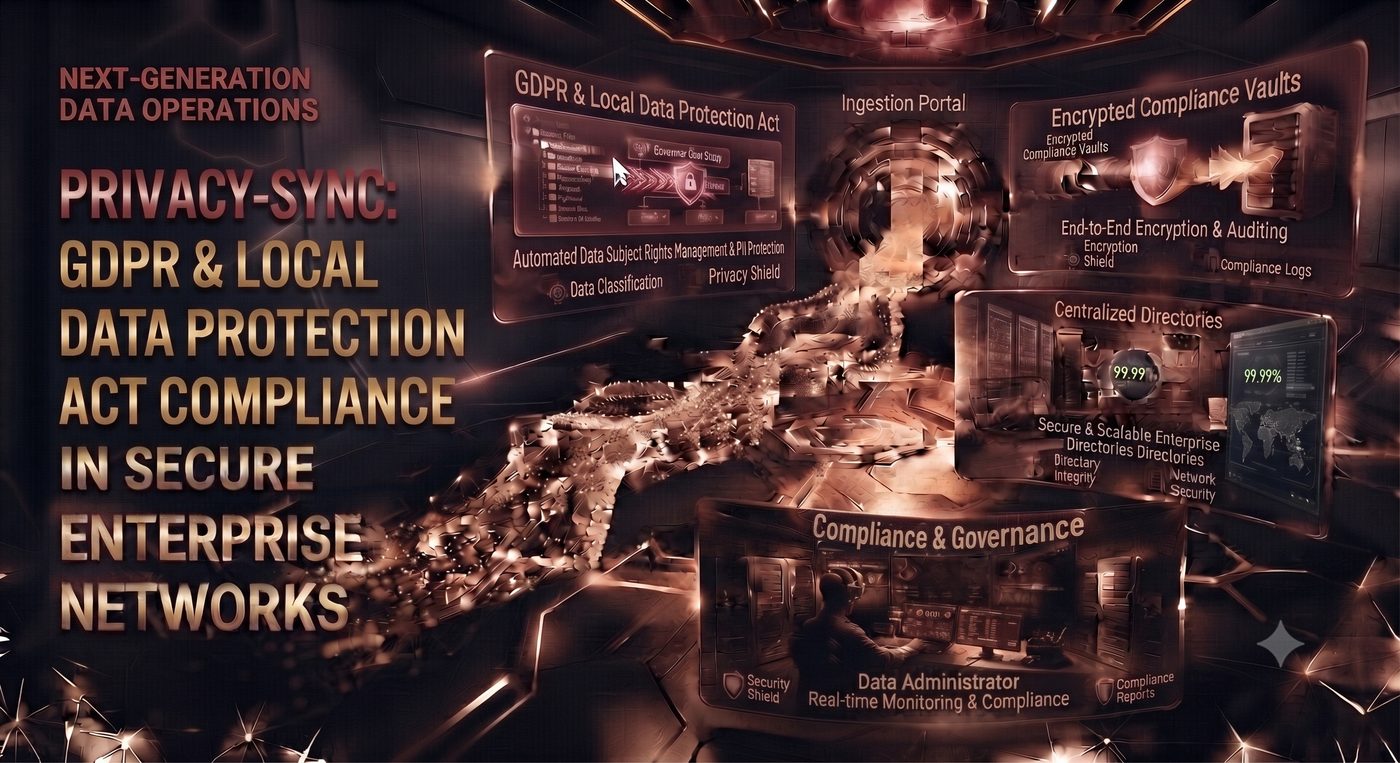
In the highly regulated and legally sensitive operating environment of modern multinational corporations, international enterprises, and cross-border institutions—such as coordinating chief privacy officers, legal counsels, data protection officers, and compliance directors across regional headquarters in Dhaka, European branch offices, and global operational hubs—maintaining strict adherence to international regulations like GDPR and local data protection acts is vital for avoiding massive financial penalties and preserving corporate reputation. When organizations rely on unmonitored communication platforms, fragmented data storage, or legacy software tools that lack built-in privacy governance, it results in severe regulatory violations, catastrophic data privacy breaches, and crippling institutional liability. The definitive key to elevating enterprise regulatory compliance and ensuring absolute data privacy protection is implementing robust GDPR and local data protection act compliance within a secure enterprise communication network.
The Challenge
How can enterprise IT architects, legal counsels, and compliance officers design and deploy a centralized, high-security data governance framework that automates regulatory compliance, enforces data subject rights, and secures personal identifiable information (PII) across all communication channels without disrupting operational workflows?
The Problem with Non-Compliant Communication Tools and Fragmented Data
Attempting to manage regulatory compliance across global jurisdictions using outdated or uncoordinated methods introduces critical vulnerabilities:
* Severe Regulatory Violations and Financial Penalties: Relying on consumer-grade chat apps or unmonitored storage leaves organizations unable to fulfill data subject access requests (DSARs) or right-to-be-forgotten mandates, triggering massive fines under GDPR and local laws.
* Critical Data Governance Blind Spots: Inability to track, classify, or restrict the flow of personal identifiable information (PII) across distributed teams creates massive legal liabilities and privacy breaches.
* High Administrative Friction and Audit Failures: Managing compliance manually across siloed software systems forces legal and IT teams to waste valuable hours compiling audit reports and scrambling to prove regulatory adherence.
The Solution: Automated Privacy Controls and Encrypted Compliance Vaults
Transitioning to an advanced, enterprise-grade communication and directory platform—like Jogajog—replaces regulatory vulnerability with a transparent, highly governed, and secure ecosystem. By optimizing GDPR and local data protection act compliance, enterprises ensure:
* Automated Data Subject Rights Management and PII Protection: Enable built-in tools for handling data access requests, automated data retention schedules, and secure anonymization workflows to meet strict regional privacy mandates effortlessly.
* Encrypted Enterprise Compliance Vaults: Establish secure, end-to-end encrypted audit logs and immutable record-keeping layers exclusively for authorized compliance and legal officers, tracking all data processing activities transparently.
* Granular Role-Based Access Controls (RBAC): Grant data protection officers, legal leads, and system administrators access only to the privacy management tools, PII directories, and viewing privileges authorized under strict corporate governance guidelines.
Frequently Asked Questions
Q: Why do traditional communication apps fail to support GDPR and local data protection compliance?
A: Consumer messaging tools and legacy software lack automated data deletion workflows, right-to-be-forgotten execution capabilities, PII classification filters, and immutable compliance audit logs, creating severe legal liabilities for global organizations.
Q: How do secure enterprise platforms streamline GDPR and local data protection act compliance?
A: Modern enterprise platforms provide centralized privacy governance frameworks integrated with automated data subject rights tools, encrypted compliance vaults, and strict role-based access controls. This ensures organizations can adhere to complex international and local data protection regulations seamlessly while maintaining absolute protection over enterprise data networks.
See this feature with your own data.
Free branded demo, built from your spreadsheet, this week.
Get your free demo