Safe-Sync: Minimizing Internal Phone Harassment in Diverse Teams in Secure Enterprise Networks
July 28, 2026 · Jogajog team · 3 min read

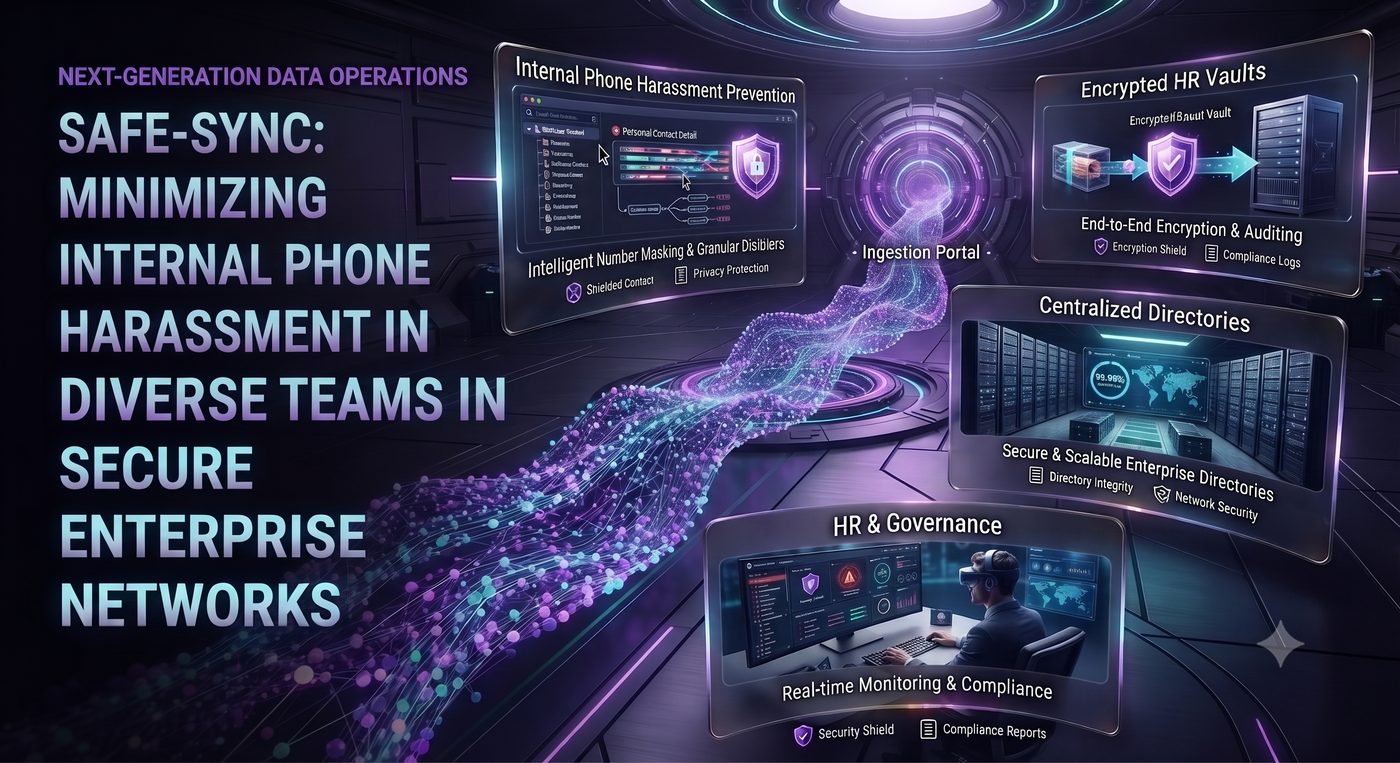
In the dynamic and culturally diverse operating environment of modern multinational corporations, large-scale enterprises, and global organizations—such as coordinating chief human resources officers, diversity and inclusion leads, IT security directors, and employee relations managers across regional headquarters in Dhaka, international corporate offices, and distributed operational sites—fostering a safe, inclusive workplace free from internal harassment is vital for employee well-being, retention, and corporate liability protection. When organizations rely on fully open corporate directories, unshielded personal contact information, or unmonitored communication channels to connect their workforce, it can inadvertently expose employees to off-hours inappropriate messaging, internal phone harassment, and a compromised sense of psychological safety. The definitive key to elevating enterprise workplace culture and ensuring absolute employee privacy is minimizing internal phone harassment vectors within a secure enterprise communication network.
The Challenge
How can enterprise IT architects, HR directors, and compliance officers design and deploy a centralized, high-security communication framework that facilitates seamless internal collaboration while simultaneously shielding personal contact details and strictly governing directory visibility to prevent internal harassment?
The Problem with Open Directories and Unshielded Contact Data
Attempting to manage corporate communication directories using legacy or completely unrestricted methods introduces critical workplace vulnerabilities:
* Compromised Privacy and Internal Harassment Vectors: Open directories that display personal phone numbers to the entire organization allow bad actors to bypass professional channels, leading to off-hours harassment and inappropriate personal messaging.
* Severe HR Liabilities and Toxic Work Environments: The inability to shield contact data or monitor abuse on personal devices creates a toxic workplace culture, driving up employee turnover and exposing the enterprise to severe legal and HR liabilities.
* High Administrative Friction and Reactive Investigations: Managing harassment claims manually across unmonitored, personal SMS channels forces HR and security teams to rely on incomplete evidence, making it nearly impossible to enforce corporate conduct policies effectively.
The Solution: Number Masking and Encrypted Audit Vaults
Transitioning to an advanced, enterprise-grade communication and directory platform—like Jogajog—replaces communication vulnerability with a strictly governed, privacy-first, and secure ecosystem. By optimizing features to minimize internal phone harassment, enterprises ensure:
* Automated Number Masking and Granular Directory Visibility: Enable intelligent directory controls that completely mask personal phone numbers from general staff, routing all internal calls and messages securely through the enterprise application without exposing underlying contact data.
* Encrypted Enterprise HR Security Vaults: Establish secure, end-to-end encrypted messaging logs and immutable audit perimeters exclusively for authorized HR and compliance officers, ensuring that if harassment is reported, fully verifiable evidence is available.
* Granular Role-Based Access Controls (RBAC): Grant human resources leads, department managers, and system administrators access only to the directory visibility rules, communication policies, and reporting dashboards authorized under strict corporate governance guidelines.
Frequently Asked Questions
Q: Why do traditional open directory systems fail to protect diverse teams from internal harassment?
A: Legacy directory software and consumer communication apps completely expose personal contact details to the entire workforce, lacking number masking, granular visibility restrictions, and centralized HR oversight, creating severe privacy risks.
Q: How do secure enterprise platforms minimize internal phone harassment?
A: Modern enterprise platforms provide privacy-first communication frameworks integrated with automated number masking, restricted directory visibility, encrypted HR audit vaults, and strict role-based access controls. This ensures organizations can foster open collaboration while maintaining absolute protection over employee privacy and enterprise communication networks.
See this feature with your own data.
Free branded demo, built from your spreadsheet, this week.
Get your free demo