Secure Access: Internal IT Infrastructure & Access Controls in Secure Enterprise Networks
July 28, 2026 · Jogajog team · 3 min read

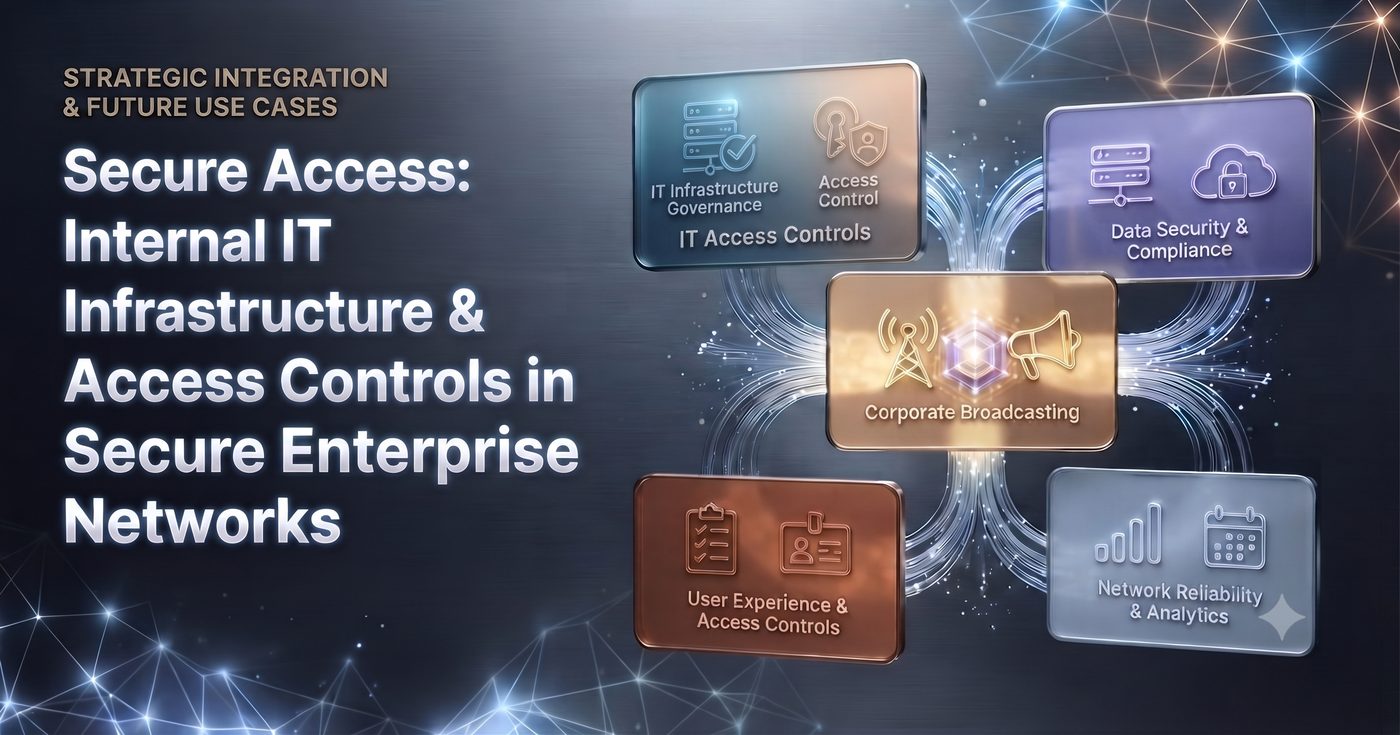
In the highly technical and security-sensitive environment of modern IT enterprises, global software corporations, and financial institutions—such as coordinating chief technology officers, IT infrastructure directors, cybersecurity leads, and administrative heads across regional headquarters in Dhaka, commercial centers, and international branches—maintaining rigid control over internal system access is vital for defending organizational integrity. When organizations rely on fragmented directory credentials, unmonitored permission lists, or legacy VPNs to manage internal IT resources, it results in critical security vulnerabilities, unauthorized data access points, and severe compliance failures. The definitive key to elevating network security and administrative governance is implementing robust internal IT infrastructure and access controls within a unified enterprise communication network.
The Challenge
How can enterprise IT directors, system architects, and security leads design and deploy a centralized, mobile-accessible directory and communication framework that enforces strict permission boundaries across internal IT assets without compromising system performance or increasing administrative friction?
The Problem with Fragmented Credentials and Unmonitored Access
Attempting to manage internal IT access using outdated or uncoordinated methods introduces critical vulnerabilities:
* Unauthorized Access and Data Leaks: Relying on disparate permission lists or unmanaged user credentials allows former employees or external contractors to retain access to sensitive corporate repositories.
* High Administrative Overhead: Managing complex access requests and password resets manually across multiple siloed software systems drains IT resources and delays project workflows.
* Compliance and Security Audit Failures: The absence of centralized logging and granular access trails exposes the enterprise to severe regulatory penalties during security audits.
The Solution: Centralized Directory Governance and Encrypted Collaboration Hubs
Transitioning to an advanced, enterprise-grade communication and directory platform—like Jogajog—replaces IT access friction with a centralized, automated, and secure ecosystem. By optimizing internal IT infrastructure and access controls, enterprises ensure:
* Centralized Mobile Directory Governance: Enable real-time, searchable management of user profiles, administrative rights, and device authorizations directly from a unified enterprise control center.
* Encrypted Enterprise Infrastructure Vaults: Establish secure, end-to-end encrypted communication perimeters and data repositories exclusively for IT administrators, developers, and system operators.
* Granular Role-Based Access Controls (RBAC): Grant staff, contractors, and system engineers access only to the directory fields, communication channels, and IT resources relevant to their specific clearance tier.
Frequently Asked Questions
Q: Why do traditional credential management methods fail to secure modern enterprise IT networks?
A: Fragmented permission lists and legacy credential management lack centralized oversight, making it difficult to revoke access promptly when employee roles change, thereby creating severe vulnerabilities for unauthorized data exposure.
Q: How do secure enterprise platforms streamline internal IT infrastructure and access controls?
A: Modern enterprise platforms integrate centralized directory management with strict role-based access controls (RBAC) and end-to-end encryption. This ensures that IT administrators can easily provision or revoke access while keeping internal communication channels strictly protected.
See this feature with your own data.
Free branded demo, built from your spreadsheet, this week.
Get your free demo