Streamlining Subcontractor Collaboration: Contractor-to-Subcontractor Roster Logs in Secure Enterprise Networks
July 28, 2026 · Jogajog team · 3 min read

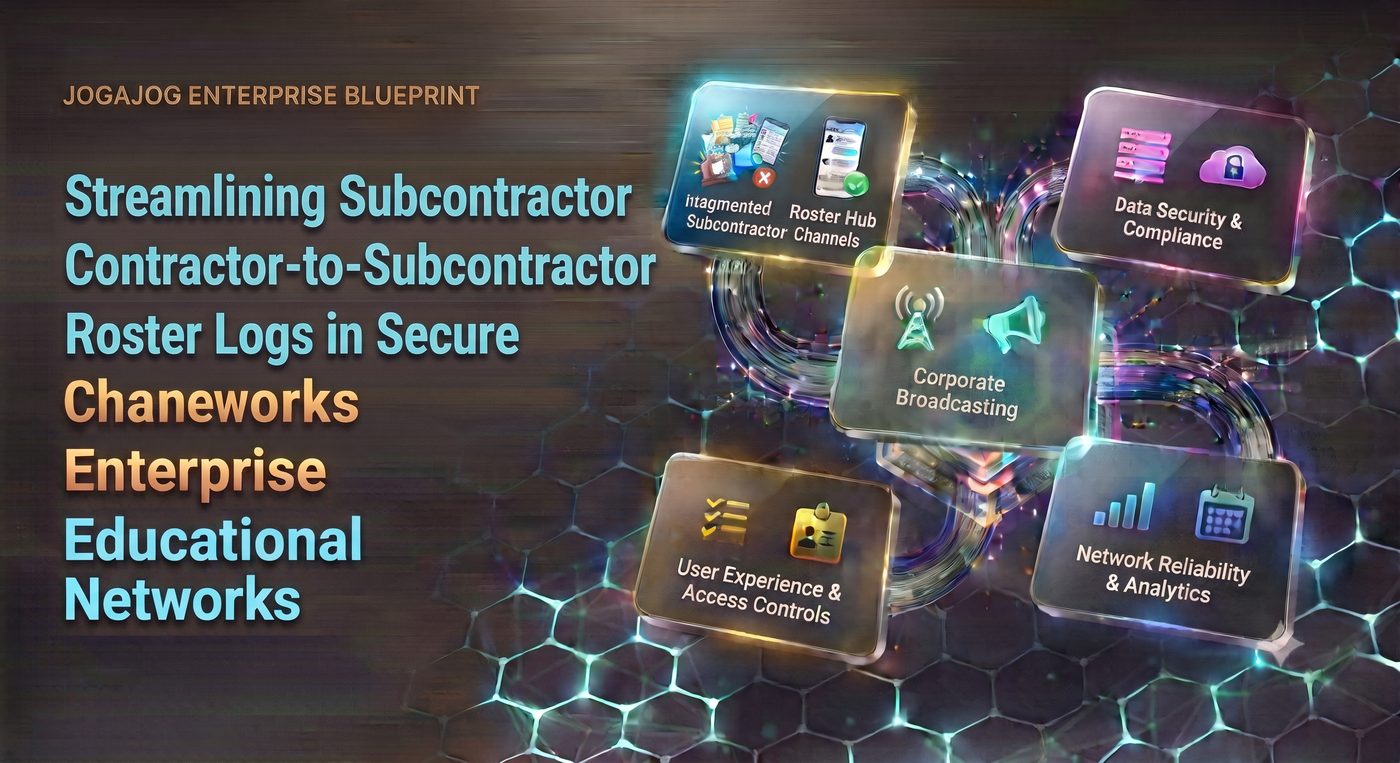
In the complex, multi-tiered subcontracting environment of modern construction projects, real estate developments, and engineering operations—such as coordinating primary contractors, specialty trade leads, and independent equipment suppliers across Dhaka, Chittagong, and regional hubs—maintaining transparent roster tracking is vital for project execution. When general contractors rely on fragmented spreadsheets, unmonitored consumer messaging apps, or unverified contact lists to manage sub-contractor personnel, it leads to severe compliance blind spots, communication friction, and operational delays. The definitive key to elevating on-site accountability and data security is implementing structured contractor-to-subcontractor roster logs within a unified enterprise communication network.
The Challenge
How can general contractors, project managers, and site administrators design and deploy a centralized, mobile-accessible roster management and directory framework that tracks active sub-contractor teams in real time without compromising proprietary project data or personal privacy standards?
The Problem with Fragmented Roster Tracking and Unmanaged Messaging Tools
Attempting to manage complex subcontracting tiers using consumer tools or static spreadsheets introduces critical vulnerabilities:
* Administrative Blind Spots and Compliance Risks: Using unverified paper logs or disconnected spreadsheets makes it impossible to verify active on-site personnel credentials, leading to safety and liability violations.
* Communication Delays Between Tiers: When primary contractors cannot reach specialty trade leads instantly due to outdated contact directories, critical milestone handoffs stall.
* Data Privacy Vulnerabilities: Exchanging sub-contractor personnel contact lists on unsecured public channels exposes workers to spam, external solicitation, and data leaks.
The Solution: Centralized Roster Directories and Role-Based Access Controls
Transitioning to an advanced, enterprise-grade communication and directory platform—like Jogajog—replaces administrative uncertainty with a secure, highly organized operational ecosystem. By centralizing contractor-to-subcontractor roster logs, enterprises ensure:
* Searchable Multi-Tiered Roster Directories: Enable project managers to search, verify, and connect with approved sub-contractor leads and specialized trade personnel instantly via a secure mobile directory.
* Encrypted Inter-Team Communication Channels: Establish isolated, end-to-end encrypted collaboration spaces for specific contractor groups, ensuring that project schedules, material logs, and engineering notes remain protected.
* Granular Role-Based Access Controls (RBAC): Grant sub-contractor teams access only to the roster lists, site documents, and communication channels relevant to their specific contractual scope.
Frequently Asked Questions
Q: How do secure enterprise platforms protect sub-contractor personal contact details while maintaining active roster logs?
A: Modern enterprise platforms utilize built-in directory masking and role-based permissions, allowing project managers to view active team rosters and communicate with personnel through the platform interface without exposing private phone numbers or personal email addresses.
Q: Can primary contractors update sub-contractor roster logs in real time as new trade teams arrive on-site?
A: Yes. Enterprise directory architectures support dynamic, real-time updates, enabling site administrators to add or remove sub-contractor teams instantly and update communication permissions on the fly.
See this feature with your own data.
Free branded demo, built from your spreadsheet, this week.
Get your free demo