Ward Sync: Hospital Staff Roster Automation in Secure Enterprise Networks
July 28, 2026 · Jogajog team · 3 min read

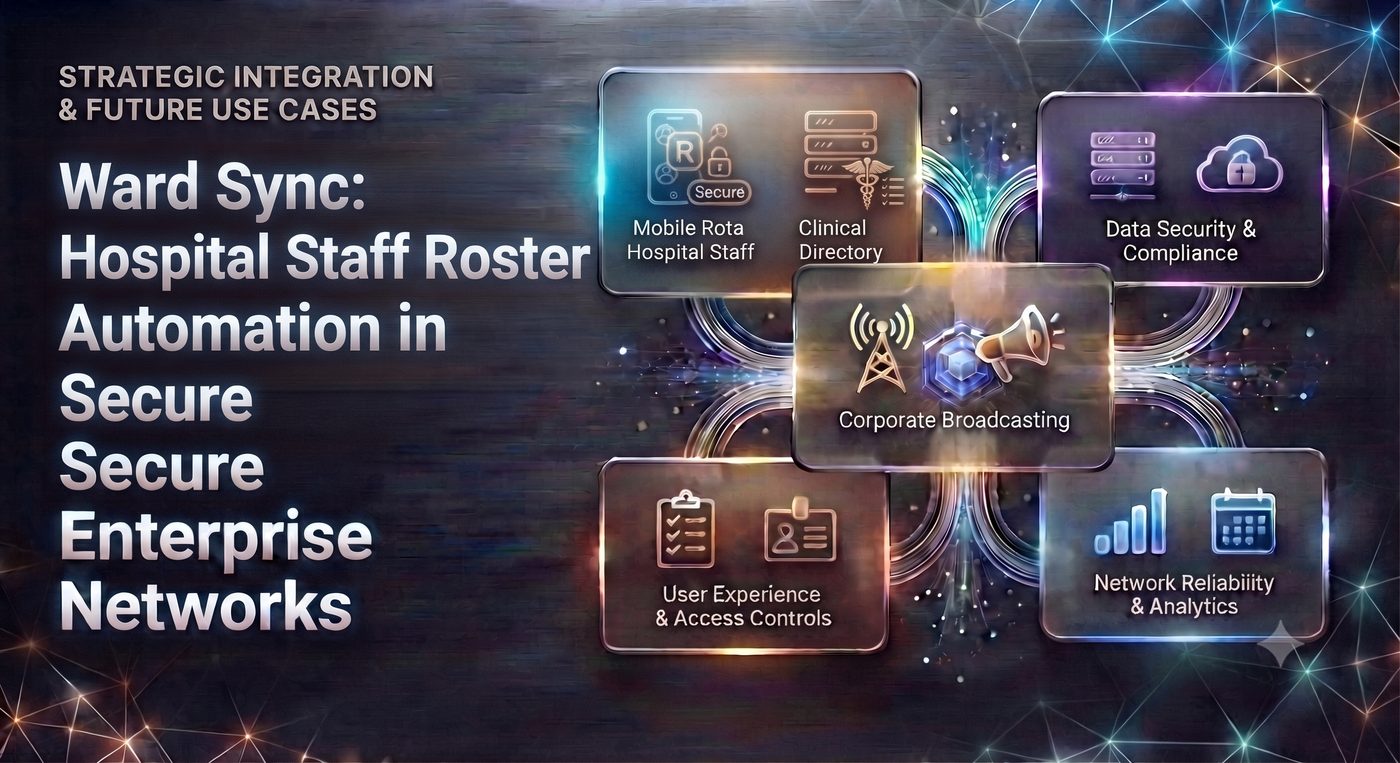
In the high-pressure and 24/7 operating environment of modern medical centers, multi-branch hospitals, and regional healthcare networks—such as coordinating chief medical officers, hospital directors, nursing supervisors, and administrative heads across regional headquarters in Dhaka, commercial centers, and international branches—maintaining seamless shift scheduling and real-time roster coordination is vital for patient safety and clinical continuity. When organizations rely on fragmented spreadsheets, paper-based nurse rotas, or unverified consumer messaging apps to manage medical staff, on-call doctors, and clinical shift rotations, it results in critical understaffing gaps, severe scheduling conflicts, and high clinician burnout. The definitive key to elevating healthcare operational efficiency and staff alignment is implementing structured hospital staff roster automation within a unified enterprise communication network.
The Challenge
How can enterprise healthcare administrators, clinical directors, and IT architects design and deploy a centralized, mobile-accessible directory and communication framework that instantly manages complex medical shift rotations and real-time on-call updates across healthcare professionals without compromising patient data privacy or system security?
The Problem with Paper Rotas and Fragmented Scheduling Silos
Attempting to manage hospital shift rosters using outdated or uncoordinated methods introduces critical vulnerabilities:
* Critical Understaffing and Scheduling Conflicts: Relying on static spreadsheets or physical notice boards leaves medical units unaware of sudden shift trades, emergency absences, or critical on-call coverage gaps.
* High Administrative Friction: Managing complex clinical rotations, medical leave requests, and departmental handovers manually across siloed software systems drains healthcare administrative resources.
* Security Risks with Uncontrolled Channels: Transmitting sensitive medical staff rosters, contact numbers, and personal availability data through consumer-grade messaging apps exposes healthcare workforce data to severe privacy breaches and compliance failures.
The Solution: Centralized Mobile Rota Hubs and Encrypted Collaboration Vaults
Transitioning to an advanced, enterprise-grade communication and directory platform—like Jogajog—replaces scheduling friction with an automated, accessible, and secure ecosystem. By optimizing hospital staff roster automation, enterprises ensure:
* Centralized Mobile Clinical Directories: Enable instant, searchable mobile access to verified medical staff contacts, department extensions, and shift schedules tailored specifically for doctors and nurses.
* Encrypted Enterprise Rota Vaults: Establish secure, end-to-end encrypted communication perimeters and broadcast channels for urgent shift updates, on-call rosters, and administrative hospital notices.
* Granular Role-Based Access Controls (RBAC): Grant clinical staff, nursing supervisors, and hospital directors access only to the schedule logs, directory fields, and communication channels relevant to their specific medical department.
Frequently Asked Questions
Q: Why do traditional spreadsheets and paper rotas fail to support modern hospital environments?
A: Manual spreadsheets and paper boards lack real-time updates and mobile accessibility, leading to frequent scheduling conflicts, dangerous communication delays during shift handovers, and high administrative friction.
Q: How do secure enterprise platforms streamline hospital staff roster automation?
A: Modern enterprise platforms provide centralized, mobile-accessible scheduling tools integrated with end-to-end encryption and role-based access controls. This ensures medical staff receive instant roster updates while keeping sensitive healthcare workforce data strictly protected.
See this feature with your own data.
Free branded demo, built from your spreadsheet, this week.
Get your free demo